Cheap Restaurants in Düsseldorf: Where to Eat Well for Less
Where to eat cheaply in Düsseldorf: Imbiss counters, coffee roasters, market lunches and Altbier taps, with what to order and how ordering and paying work.
On this page
The cheapest good eating in Düsseldorf happens away from the Altstadt tourist strip, in Imbiss counters, coffee roasters and student-neighborhood cafés where a meal costs a few euros rather than a full restaurant bill. This guide names the specific places worth seeking out, tells you what to order at each, and explains how the German midday menu keeps a sit-down lunch affordable.
It separates snack-bar spending from full restaurant meals so you know which budget you are in, and it weighs Bilk and Oberkassel against the Altstadt on both price and atmosphere. Every venue below comes with a dish to ask for, from Reibekuchen to falafel sandwiches to a bowl of Linseneintopf.
Where cheap eating in Düsseldorf actually happens
Budget eating in this city splits into four reliable formats: the Imbiss (snack counter), the bakery, the café that serves real food alongside coffee, and the midday lunch menu at a restaurant. Each has a different price ceiling, and knowing which one you are walking into stops you from overpaying for a quick bite. A sit-down dinner and a counter snack are not the same purchase, even when they are on the same street.
The Altstadt concentrates the highest rents and the most tourist-facing menus, which is why the better-value addresses cluster in Bilk and Oberkassel. If you want a full evening meal rather than a snack, the broader guide to the best restaurants in Düsseldorf maps the neighborhoods where dinner is still reasonable. For the cheap end of the scale, the counter and the café do most of the work.
Imbiss and snack counters: Reibekuchen and falafel sandwiches
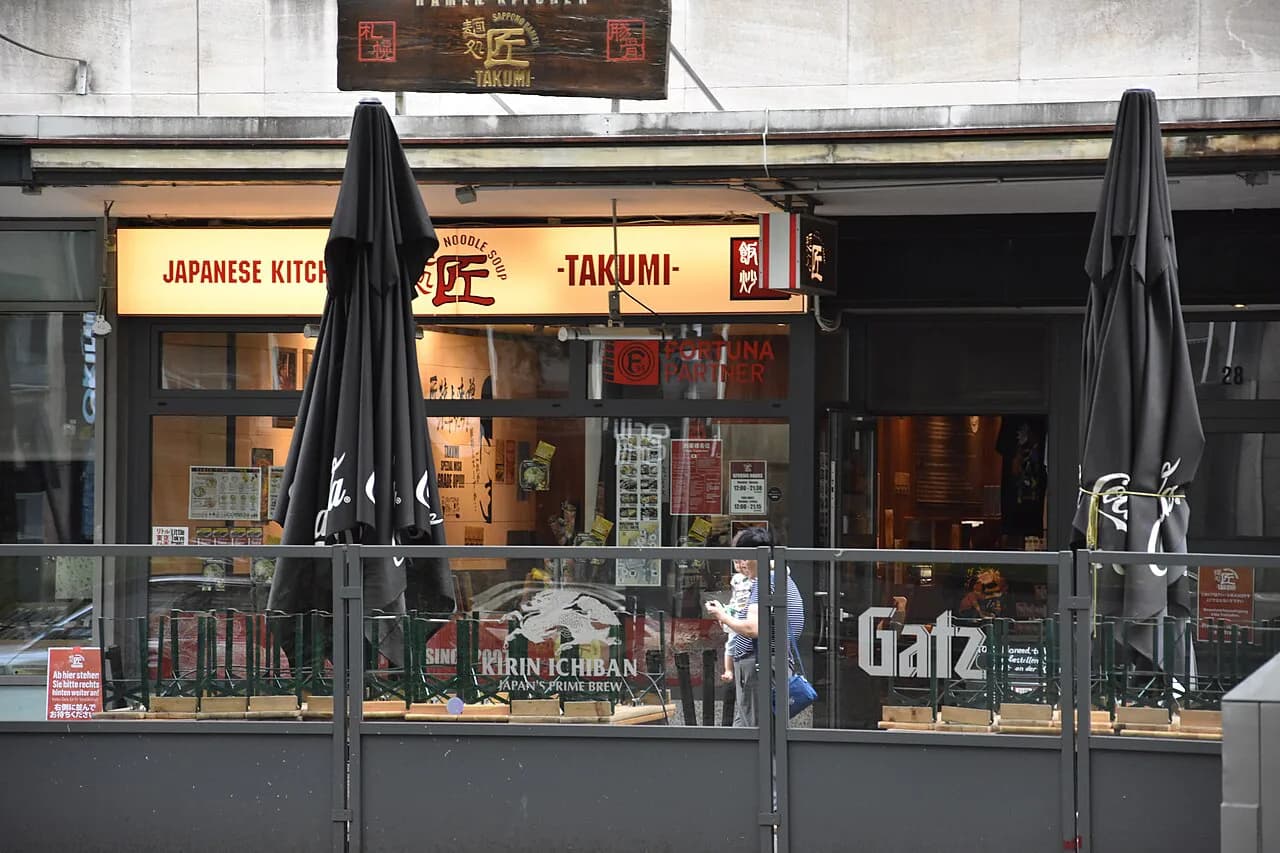
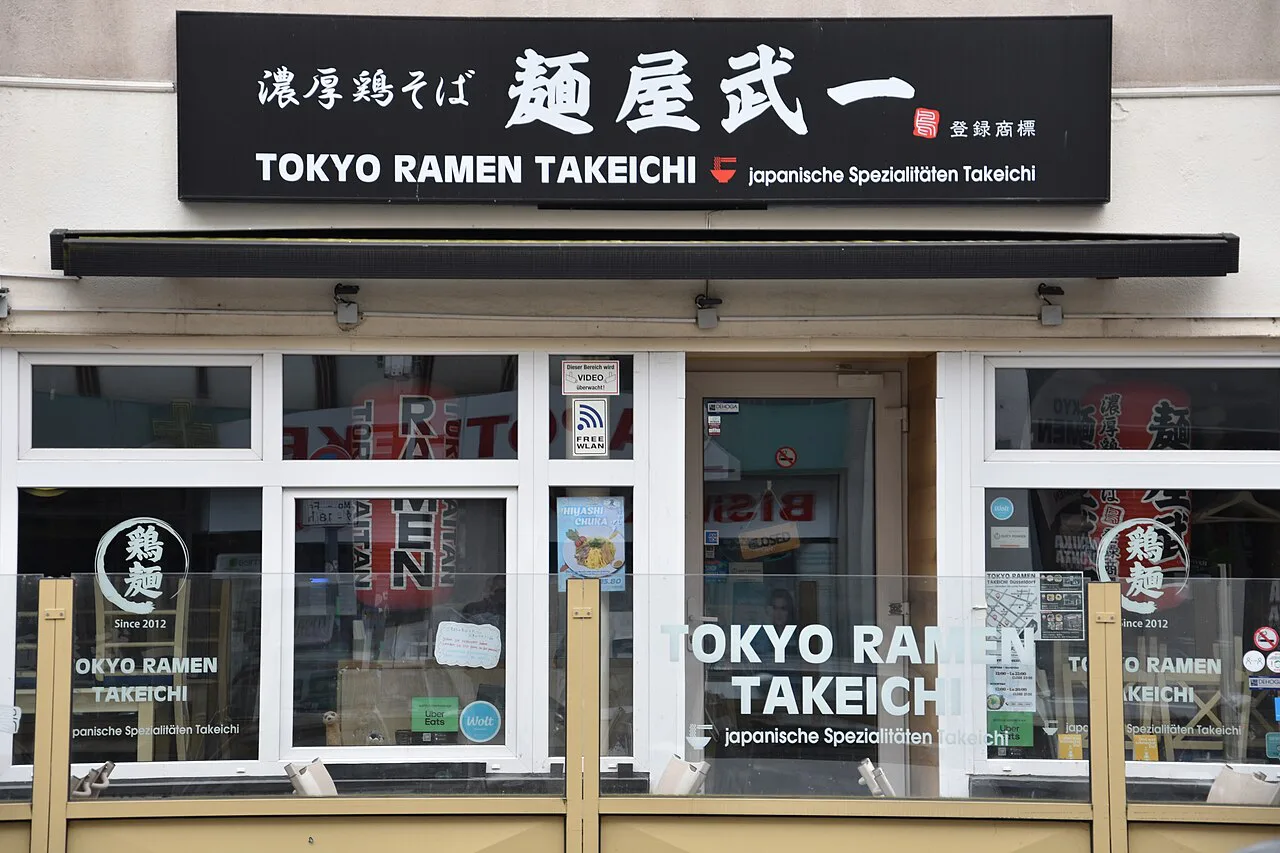
The Imbiss is the backbone of cheap eating in Germany, a standing or walk-up counter selling one or two things done quickly. In Düsseldorf the snack range runs from Reibekuchen, potato pancakes fried crisp, to falafel sandwiches. Libanon Express is the falafel stop named in a 36-hour Düsseldorf itinerary, useful when you want something hot and filling without a restaurant bill.
Snack counters are where the smallest spend buys the most food, and they suit a day of walking better than a long lunch. Order at the counter, pay when you order or when you collect, and expect to eat standing or on a nearby bench. Keep small change handy, since these are exactly the counters most likely to be cash-only.
Woyton and Kaffeeschmeide: coffee stops that double as cheap daytime food
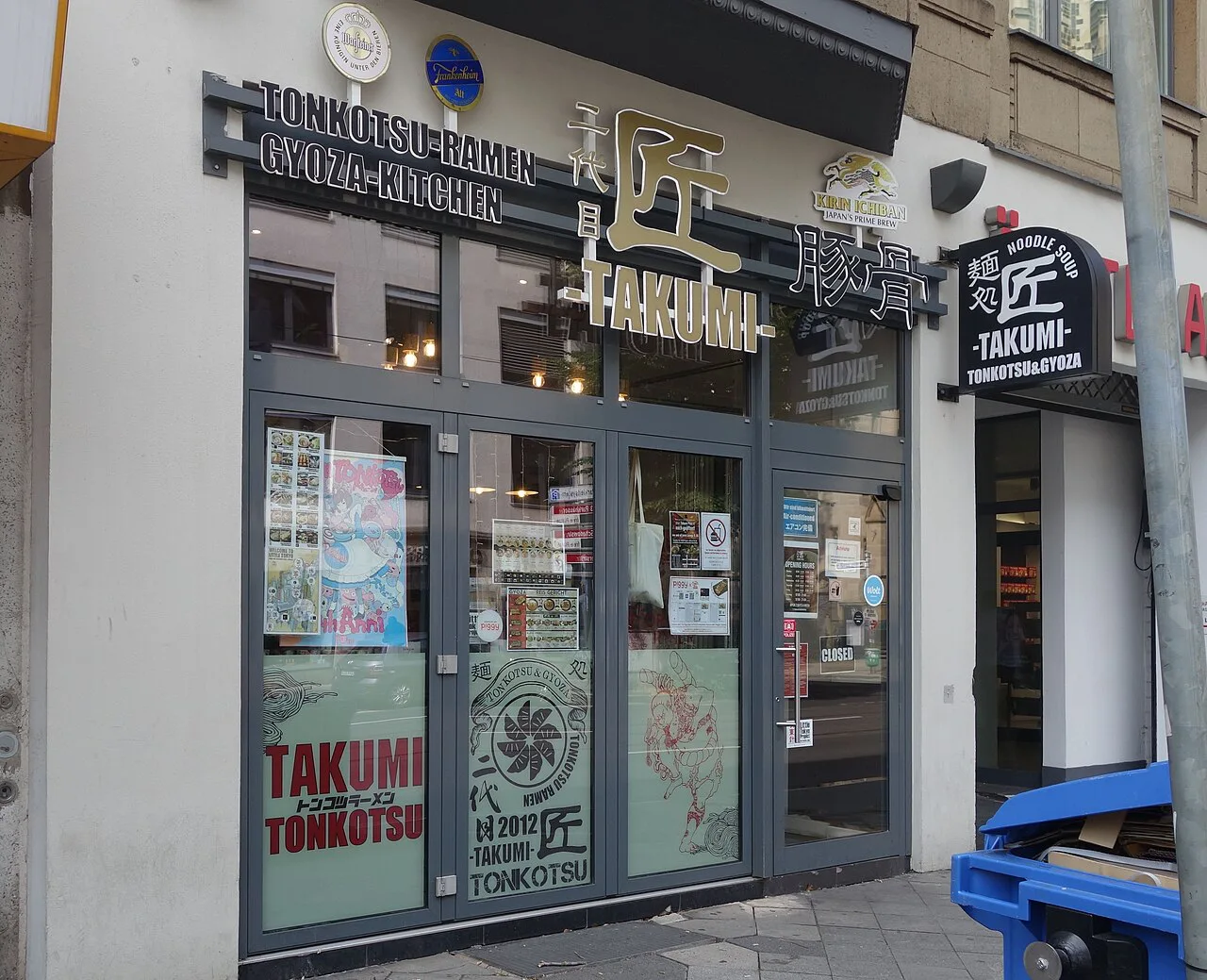
Düsseldorf takes its coffee seriously, and some of its cafés double as affordable daytime stops. Woyton is a local coffee chain near the MedienHafen where the writer's cortado came with an hour of free wifi, making it a practical base for a morning of planning. Kaffeeschmeide on Belsenstraße in Bilk roasts its own beans, and an espresso there was priced at €1.50, a useful benchmark for how far your money stretches at a counter.
A coffee stop is not a meal, but it is often the cheapest way to sit down for half an hour and eat a pastry alongside. If coffee and cake are your priority rather than a full plate, the guide to cafes in Düsseldorf covers the roaster and café scene in more depth. Pair a cortado with something from a bakery counter and you have a light lunch for the price of a single café dish.
Kaffeepiraten in Bilk: daily specials in a student neighborhood
Bilk is the student quarter, and its café prices reflect that. Kaffeepiraten on Neusser Straße serves good coffee with daily specials, and a plate such as chicken curry with rice was priced at €6.50 in the source — lunch for one person at a sit-down table. The free, fast wifi and the steady student trade make it a comfortable place to eat without watching the clock.
A daily special is the single best budget lever in a German café, because the kitchen cooks one dish in volume and prices it accordingly. Ask what the Tagesempfehlung or daily special is rather than ordering from the full menu, and you usually land near the cheapest item on the board. Bilk rewards this approach more than the Altstadt, where the specials tend to be written for visitors.
Mittagstisch and lunch menus: how the German midday menu keeps eating out cheap
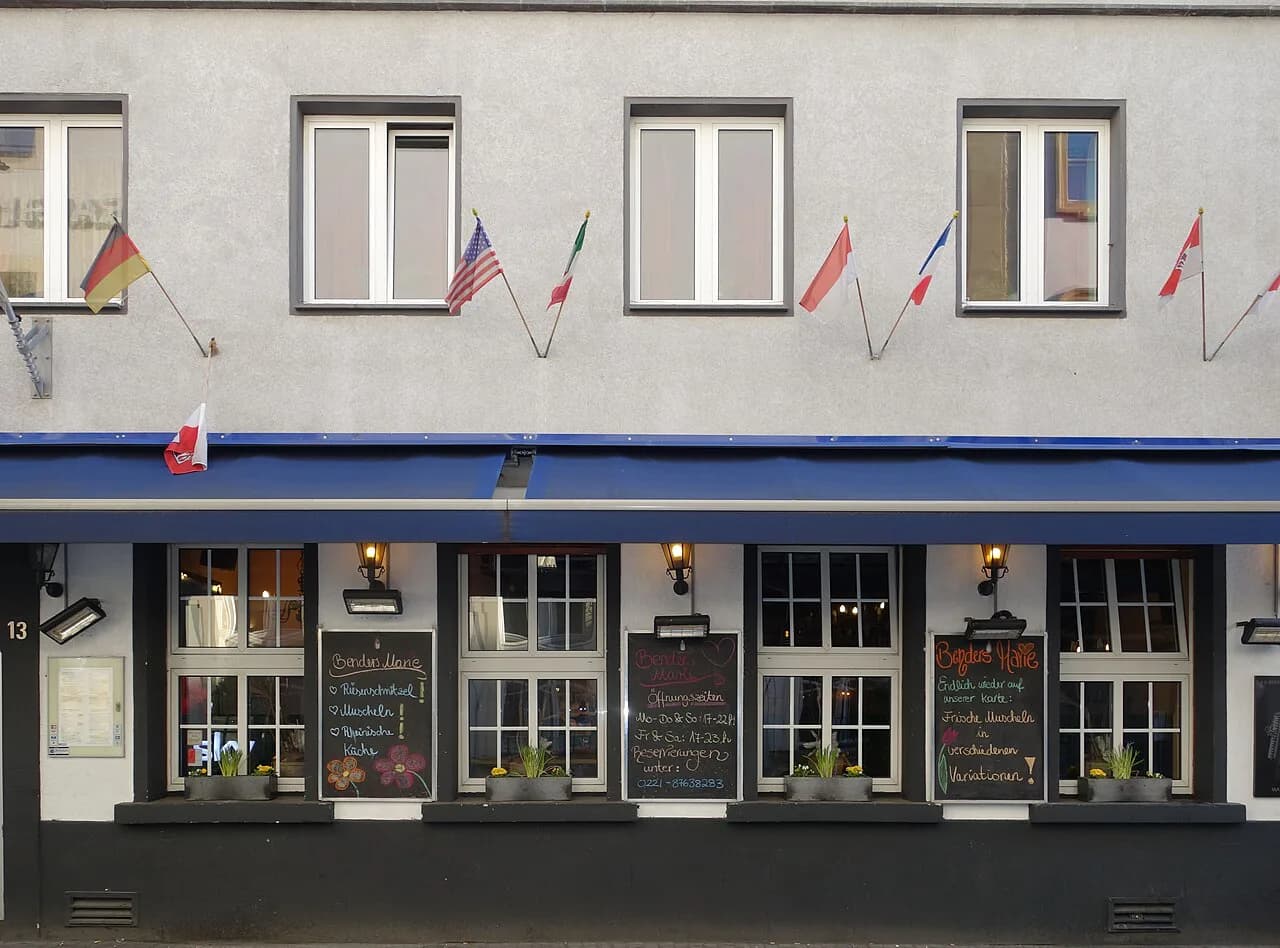
The Mittagstisch is the German midday menu, a short list of dishes a restaurant offers at a reduced price around lunchtime to fill seats before the evening service. It is the mechanism that makes a proper sit-down meal affordable, and it is why the same kitchen can be expensive at eight in the evening and reasonable at noon. Look for a chalkboard or a printed card marked Mittagstisch or Mittagsmenü rather than ordering from the main menu.
This is also the practical bridge between snack eating and a full dinner: you get a table, a plate and service for closer to counter money. For the traditional dishes that turn up on these menus, from Sauerbraten to Himmel und Erde, the guide to Traditional German Restaurants in Düsseldorf Worth Your Dinner shows where the cooking is worth the spend. Use the midday version to sample a kitchen before committing to its evening prices.
The farmers market lunch near the Rhine
A market stall is the cheapest way to assemble a lunch from good ingredients, and markets are a standard budget format in German cities. Buy bread, cheese and something cured from separate stalls and eat outside rather than paying for a table. Market days vary by square, so check the city's market calendar for the week you are in town before you plan around it.
This is also the best budget option for anyone traveling with dietary restrictions, because you choose each component yourself. If you want a broader picture of where meat-free eating fits into the city, a vegetarian-and-vegan guide covers plant-based kitchens that make café lunches easy. Bread from a bakery counter plus market cheese is a full meal for very little.
Altbier at a traditional tap like Schlüssel Oberkassel
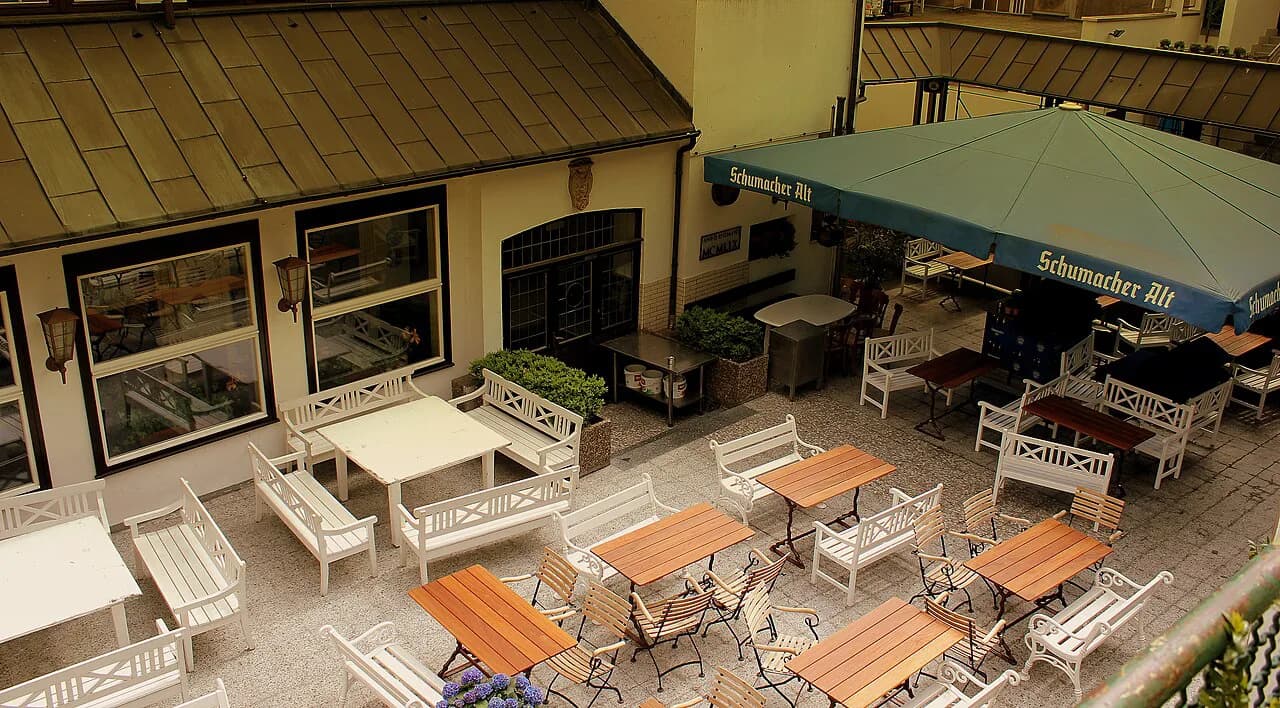
Altbier is Düsseldorf's own top-fermented dark beer, served in small glasses so it stays cold, and it belongs with food at a traditional tap rather than as a separate night out. Schlüssel in Oberkassel is the kind of neighborhood tap where you sit at a table, order a glass and eat something simple alongside it. Small glasses mean you order a round rather than a liter, which keeps the drink cost modest and the pace sane.
A traditional Altbier tap is a cheap dinner when you treat the beer as one component and order a plain plate with it. If you want the full range of brewpubs and their food, the guide to breweries in Düsseldorf covers the taps worth the trip. The Altstadt's so-called longest bar is the crowded version of this experience; Oberkassel gives you the same beer with more elbow room.
Bilker and Oberkasseler addresses versus the Altstadt
If your budget is tight, Bilk and Oberkassel beat the Altstadt on almost every count: cheaper plates, calmer rooms and fewer menus written for visitors. Bilk is the student neighborhood, with cafés and daily specials; Oberkassel is upmarket residential, with a traditional tap and a Rhine-side walk on the doorstep. The Altstadt is where you go for atmosphere and a dense cluster of options, not for the lowest bill.
The trade-off is distance and a slightly quieter evening, but the tram ride across the Rhine is short and the eating is more honest. Pair a Bilk lunch with a walk along the Rhine embankment and you have a cheap afternoon that does not feel like a compromise. Save the Altstadt for one evening and spend the rest of your budget in the neighborhoods.
How to order, pay and handle cash-only counters
At a counter, order and pay at the same spot, and at a table with service you pay at the end by telling the server what you had. Many small Imbiss counters and market stalls in Germany are cash-only, so carry notes and coins even in a city where cards work in most restaurants. Tipping is done by rounding up or adding a euro or two, and you say the total you want to pay rather than leaving money on the table.
If a card is refused, the nearest ATM is usually a short walk away, but the simplest fix is to keep cash for the cheap end of your day. When you want a table and proper service, the best restaurants guide shows where to spend the larger meal budget instead. Between the two, you can eat well in Düsseldorf without ever paying Altstadt prices.
Which budget fits your day in Düsseldorf?
For a day of walking, build around an Imbiss lunch and a coffee stop, then spend your evening at a traditional Altbier tap in Oberkassel. If you want a proper sit-down meal, use the Mittagstisch at noon and keep dinner to a snack or a market plate. That combination gives you variety without stretching the budget.
The neighborhoods do the heavy lifting: Bilk for student prices and daily specials, Oberkassel for a calm tap and a Rhine walk, the Altstadt for one atmospheric evening. Pick your base accordingly and the cheap end of Düsseldorf stops feeling like a compromise.
Explore more Düsseldorf guides
Frequently Asked Questions
What is Düsseldorf famous for food-wise?
Düsseldorf is known for Altbier, its dark top-fermented beer served in small glasses at traditional taps, and for Rheinland dishes such as Reibekuchen, potato pancakes often eaten with applesauce. The city also has a strong coffee-roaster scene and a dense Imbiss culture, which is where budget eating concentrates.
Where do locals eat cheaply in Düsseldorf?
The student quarter of Bilk and the residential neighborhood of Oberkassel carry most of the everyday budget eating, from café daily specials on Neusser Straße to a traditional Altbier tap across the Rhine. The Altstadt is busier and more expensive, so locals tend to treat it as an occasional evening rather than a daily canteen.
How does the Mittagstisch make lunch cheaper?
The Mittagstisch is a short midday menu offered at a lower price than the evening carte to fill tables before dinner service. Look for a chalkboard or printed card marked Mittagstisch or Mittagsmenü, and order from it rather than the main menu to get a full sit-down meal for closer to snack-bar money.
Sources
Notes for your next German food trip
Optional updates to our guides.
You might also like
Continue reading
More guides you'll find useful