Best Restaurants in Potsdam, Germany: Where to Eat by Style
A practical guide to the best restaurants in Potsdam, Germany, sorted by style and neighborhood, with the dishes to order and how to eat well here.
On this page
The best restaurant in Potsdam for most visitors is a traditional German kitchen in the old town or the Holländer Viertel, where a single street gives you a Gasthaus meal, a brewed-on-site beer and a modern table within a few minutes' walk. The city's eating core is small enough that you can pick by style first and neighborhood second.
This guide sorts Potsdam tables by what you actually want from the evening: a hearty German plate, a brewery-restaurant where the beer and the food come from the same house, or a modern and international kitchen. It also covers the Dutch Quarter as a dining address, the mechanics of booking and paying, and which pick fits a quick lunch versus a long dinner. For the sweet side of the neighborhood, see Ice Cream in Potsdam.
What Eating Out in Potsdam Looks Like
Potsdam's restaurant map is tight: the old market, Brandenburger Strasse and the Holländer Viertel hold most of the tables worth planning around, and you can walk between them in under half an hour. That compactness means you rarely need to commit to a neighborhood for the whole evening.
The mix runs from traditional German cooking through brewery-restaurants to international kitchens, so the useful first question is style, not location. Lunch is where the euro stretches furthest in most German cities, and Potsdam follows that pattern: a midday main is usually the cheaper way to try a kitchen you are unsure about, while dinner is when you book and settle in.
If your trip hinges on German food specifically, the German Restaurants in Potsdam round-up covers the traditional kitchens in more depth than this overview can. Use it when you want Schweinebraten and dumplings rather than a broader spread.
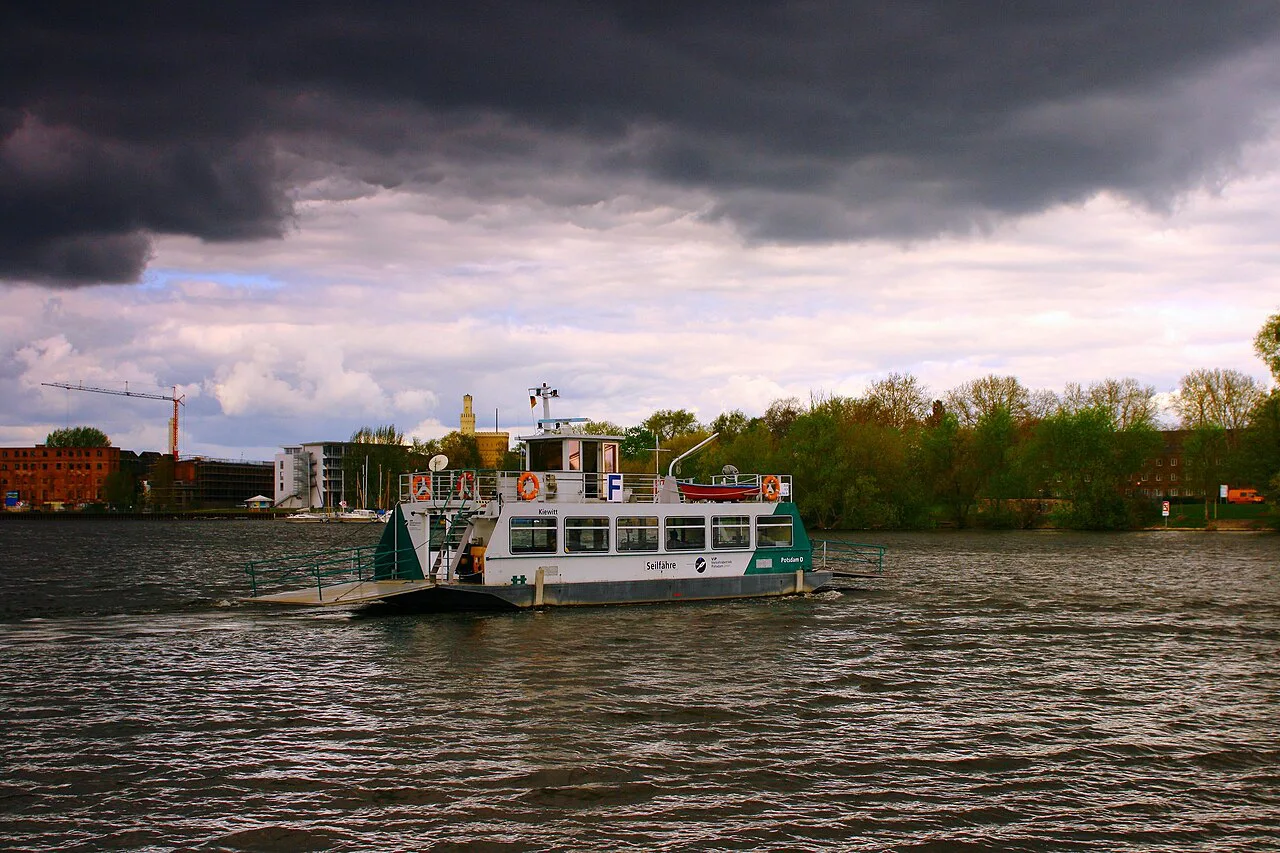
Traditional German Cooking: What to Order
A traditional German meal in Potsdam follows the Brandenburg and wider German pattern: a roasted or braised meat with a sauce, potatoes or dumplings, and a vegetable that is often red cabbage or seasonal asparagus in spring. Portions are built to fill you after a day of walking, so a starter is rarely necessary.
For a broader survey of the dishes that define the city and the region, including what shows up during Spargelzeit (asparagus season) in spring, see What to Eat in Potsdam, Germany. It is the page to read before you decide which kitchen to book.
If you eat no meat or avoid dairy, Potsdam has vegetarian and vegan tables, but they cluster away from the heaviest traditional kitchens. Read Vegan Food in Potsdam before you build an evening around a classic Gasthaus, so you know which places can feed everyone at the table.
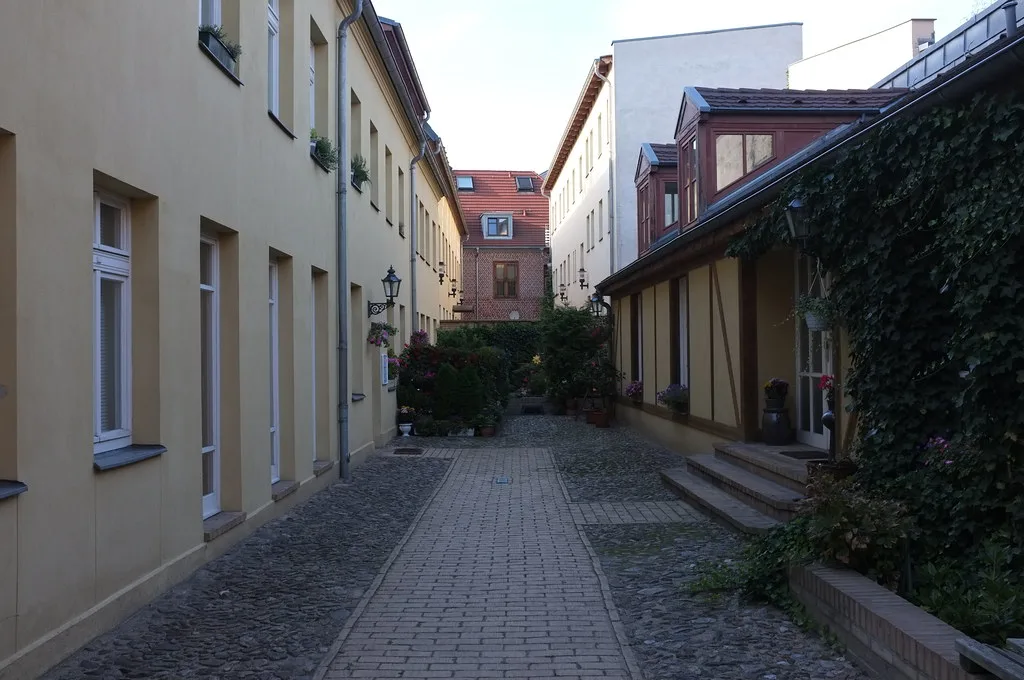
Brewery-Restaurants: Beer and Food in One House
Potsdam has a small but real brewery-restaurant scene, where beer is brewed on the premises and the kitchen cooks German food to match it. These houses suit groups and mixed appetites because one address covers both the beer drinker and the person who wants a proper sit-down meal.
The clearest example is Zum Fliegenden Holländer in the Holländer Viertel, which describes itself as combining traditional brewing with German cooking and lists fresh tapped beer alongside its food. Its menu names dishes like Havelzander (zander from the Havel), Kohlroulade (stuffed cabbage roll), Krustenbraten (crackling pork roast), Wiener Schnitzel and homemade Apfelstrudel (apple strudel).
The same house advertises two outdoor terraces and around 240 seats across the building, which tells you something useful about the experience: it is a large, busy address rather than a hushed dining room. Book ahead if you want a specific evening slot, especially in the warmer months when the terraces fill.
For a wider list of brewed-on-site addresses across the city, Potsdam Breweries is the companion page. It helps you decide whether you want the Dutch Quarter house or a different taproom for the same kind of evening.
Modern and International Tables
Potsdam's modern and international kitchens make sense when you have eaten German food for several days and want something lighter, or when your group cannot agree on a cuisine. They also tend to be the better bet for a quick, less formal lunch in the old town.
For the upper end of the scale, Fine Dining in Potsdam covers the more ambitious, reservation-driven style of cooking. It is the page to open when the evening itself is the occasion rather than a stop between sights.
If you want to eat standing up or on the move, Street Food in Potsdam surveys the quicker options that do not require a table booking at all.
The Holländer Viertel as a Dining Neighborhood
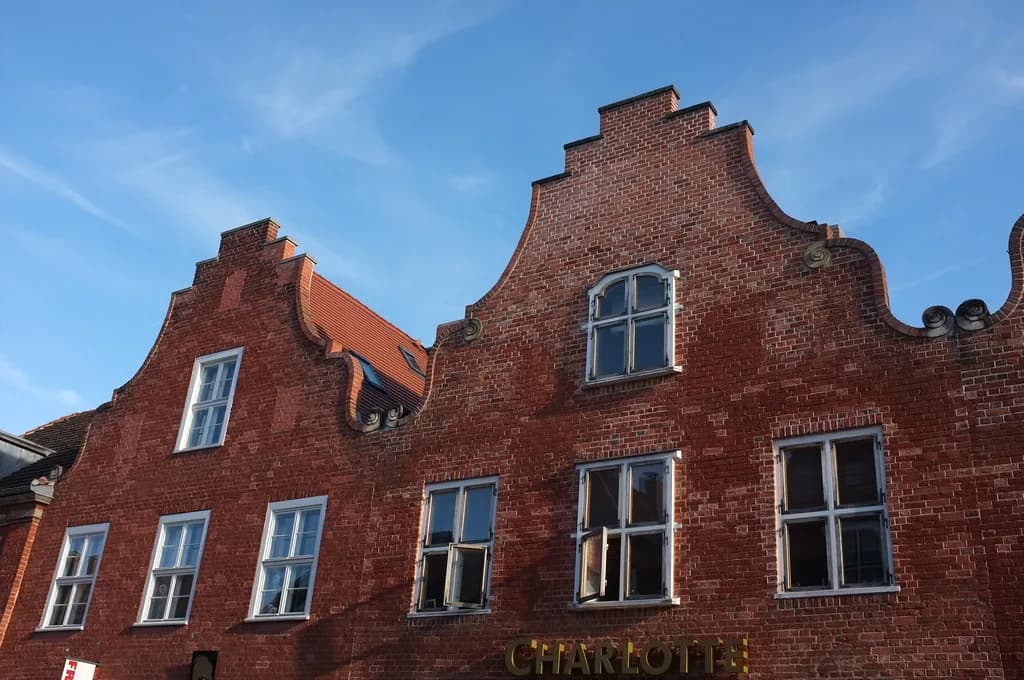
The Holländer Viertel, Potsdam's Dutch Quarter, is a cluster of red-brick streets just north of the old town center, and it works well as an eating neighborhood because you can browse several doors before choosing one. The architecture gives the evening a distinct setting that the plain streets around the station do not.
Zum Fliegenden Holländer sits at Benkertstraße 5 in the quarter. Its menu spans roasted Entrecôte, Havelzander, Kohlroulade, Krustenbraten, slow-cooked lamb, Wiener Schnitzel, burgers and grilled prawns, plus desserts such as vineyard peach sorbet and apple strudel.
That breadth is the trade-off. A menu this wide is built for a mixed table rather than for one signature dish, so order the regional plates, the Havelzander or the Krustenbraten, if you want the kitchen at its most local. Reserve online before a weekend evening, since the house takes bookings through its own site.
Around the Old Market and Brandenburger Strasse
The old market and Brandenburger Strasse are the natural starting points on a walking day: you can eat, then continue on foot without a tram ride. Density is highest here, which also means this is where you are most likely to sit among other visitors rather than locals.
That touristy-versus-local trade-off is real and worth accepting on a short trip. The old market's convenience buys you time; the Dutch Quarter and the residential streets beyond it buy you a quieter table.
Save the cafés and Konditorei (pastry shop) stops for the afternoon rather than treating them as a meal. Cafés in Potsdam, Germany maps out the coffee-and-cake side of the city for the hours between lunch and dinner.
Prices, Portions and Lunch Versus Dinner
German restaurant pricing follows a predictable shape: lunch mains are cheaper than the same kitchen's dinner plates, and portions stay large at both seatings. Potsdam is not a budget city, but a midday main plus a beer usually leaves more room in the day's budget than an evening of starters, mains and dessert.
Set menus and daily lunch specials are where the value sits, and they are usually written on a board or a separate lunch card rather than the main menu. Ask for the lunch menu (Mittagskarte) when you sit down at midday.
If your day starts with a big meal, Breakfast in Potsdam covers the morning tables so you can plan lunch later without overeating twice.
Booking, Ordering and Paying
Reservations matter most for dinner at the larger houses and on weekends; a midday table is usually easier to walk into. Zum Fliegenden Holländer takes bookings through an online form on its own site, which is the simplest way to secure a specific time.
German restaurants often close one day a week for Ruhetag (rest day), and that day varies by house, so check the restaurant's own listing before you build an evening around it. Cards are accepted more widely than a decade ago, but carrying some cash avoids a scramble at a cash-only counter.
Tipping works simply: round up, or add roughly five to ten percent for good service, and hand it to the server rather than leaving it on the table. Order drinks with the food; servers will not rush you out, and asking for the bill (die Rechnung) when you are ready is normal.
Best Picks by Occasion
For a quick lunch, choose a café or a lunch-card special near the old market and keep the meal to an hour. For a sit-down dinner with beer, the Dutch Quarter and Zum Fliegenden Holländer give you German cooking and fresh tapped beer under one roof.
For a splurge evening, book one of the city's more ambitious kitchens and treat the meal as the main event; the fine dining page points you toward that tier. A beer garden afternoon, by contrast, is a slower and cheaper way to spend a warm day, and Beer Gardens in Potsdam covers those addresses.
If you are comparing Potsdam's table culture with other German cities, the best restaurants in Bamberg and the best restaurants in Augsburg give you useful reference points for what a Franconian or Bavarian-Swabian kitchen does differently.
Eating With Children or a Group
Groups do best in the larger brewery-restaurants and beer halls, where tables are bigger, the menu is broad and nobody minds a slightly louder table. Zum Fliegenden Holländer's roughly 240 seats across two terraces and several rooms make it a practical group booking in the Dutch Quarter.
Children are welcome in German restaurants generally, and the wide menus at these houses usually include something plain, such as a schnitzel or a burger. Book ahead for a group and say how many are coming, since large tables are the first to go on a weekend.
For older-style beer halls with long tables and a Bavarian feel, see Potsdam's beer halls, which covers that format in the city.
Which Potsdam Table Fits Your Day?
Match the table to the day rather than chasing a single best address: a lunch-card special near the old market for a walking day, Zum Fliegenden Holländer for a Dutch Quarter evening with beer brewed in the house, and a modern or fine-dining kitchen when the meal is the point of the trip.
Book dinner ahead at the larger houses, keep some cash for the odd cash-only counter, and check the day's Ruhetag on the restaurant's own listing before you set out.
Explore more Potsdam guides
Frequently Asked Questions
Is Potsdam, Germany good for food?
Yes, within a compact and walkable center. The old market, Brandenburger Strasse and the Holländer Viertel hold a mix of traditional German kitchens, brewery-restaurants and international tables, so you can match a meal to your mood without long transfers.
What is a typical dish to eat in Potsdam?
Look for regional German plates such as Havelzander, fish from the Havel river, alongside Kohlroulade (stuffed cabbage roll), Krustenbraten (crackling pork roast) and Wiener Schnitzel. In spring, asparagus dishes appear on menus during Spargelzeit.
Do I need to reserve a table in Potsdam?
For dinner at the larger houses and on weekends, yes, book ahead, especially if you want a terrace seat in warm weather. Midday tables are usually easier to walk into, and lunch specials are often posted separately.
Where can I eat German food and drink locally brewed beer in one place?
Zum Fliegenden Holländer in the Holländer Viertel combines traditional brewing with German cooking and lists fresh tapped beer alongside dishes such as Krustenbraten and Wiener Schnitzel. It is a large house with several rooms and two outdoor terraces.
Sources
Notes for your next German food trip
Optional updates to our guides.
You might also like
Continue reading
More guides you'll find useful