German Restaurants in Potsdam: Where to Eat Traditional Food
A practical guide to German restaurants in Potsdam, from regional Brandenburg cooking to classic dishes, with named places, streets, and what to order.
On this page
For a traditional German meal in Potsdam, start with three named kitchens: Der Butt on Gutenbergstraße for fish and regional cooking, Höfts in the Villa Kellermann on Mangerstraße for a modern German menu, and Zum Fliegenden Holländer on Benkertstraße for a pronounced regional focus. They sit in different parts of the city, so your choice shapes the walk as much as the plate. This guide maps those options, explains the classic dishes you will meet, and shows how ordering and paying work.
What German cooking looks like in Potsdam
Potsdam's German kitchen is not one style. You find robust house cooking with schnitzel, pork knuckle, braised beef rolls, game and potato dishes alongside modern German menus that treat regional produce with a lighter hand. At the traditional end, the point is a filling plate and a familiar flavor; at the modern end, the same ingredients arrive with more finesse and a higher tab.
Brandenburg surrounds the city with lakes, forests and farmland, and restaurants lean on that larder. Fish from local waters, game in autumn, potatoes in many forms and seasonal vegetables all show up on German-leaning menus. That regional pull is what separates a Potsdam kitchen from a generic Bavarian-themed room, so read the specials board before you settle on the printed menu.
If your group splits between meat-heavy plates and plant-based eating, the city has options beyond the traditional rooms. Our guide to vegan Potsdam covers dedicated kitchens, and the breakfast Potsdam roundup helps if you want a German-style morning rather than a full dinner.
Regional Brandenburg dishes to look for on a menu
Brandenburg cooking is built on potatoes, pork, freshwater fish, game and root vegetables, often with a sweet-sour or mustard note. Look for dishes labeled regional or aus der Region, and expect fish to be a strength given the surrounding lakes. Game dishes appear more often in the cooler months, while asparagus dominates spring menus during Spargelzeit.
Portions in traditional German restaurants tend to be generous, so a starter plus a main is usually enough for one person. If you want to try several things, order one main and share a couple of sides rather than committing to a multi-course menu. That also keeps the bill predictable when you are converting from dollars or pounds.
Restaurant Der Butt, Gutenbergstraße 25: fish and regional cooking
Der Butt on Gutenbergstraße 25 is the pick when you want fish. The kitchen works with regional sourcing, which in a city ringed by water makes sense for a seafood-forward German meal. It is a sit-down restaurant rather than a quick counter, so treat it as the main event of an evening.
Fish is the reason to book here, but the menu also carries the regional thread that runs through Potsdam's German cooking. Ask what came in from local waters that day, and let the answer guide your order rather than defaulting to a meat dish you could eat anywhere. This is the place to lean into the city's Brandenburg setting.
Höfts in the Villa Kellermann, Mangerstraße 34: modern German menu
Höfts occupies the Villa Kellermann on Mangerstraße 34 and serves modern German cuisine. The setting is a villa, which sets a different tone from a wood-paneled Gasthaus: quieter, more composed, better suited to a slower dinner. Expect German ingredients handled with contemporary technique rather than heavy sauces and oversized plates.
This is the choice for a special evening or when you want German food without the traditional trappings. It also works well if one person in your party wants a modern plate and another wants something recognizably German; the menu bridges both. If you want to push further into that territory, our fine dining Potsdam guide covers the higher-end end of the city's restaurants.
Restaurant Zum Fliegenden Holländer, Benkertstraße 5: a regional focus
Zum Fliegenden Holländer on Benkertstraße 5 puts a strong emphasis on regional sourcing. That makes it a good default when you want a German meal that reflects Brandenburg rather than a generic national menu. The name nods to a maritime theme, but the cooking is grounded in the region around Potsdam.
Regional focus usually means a shorter menu that shifts with the season, so ask what is local before you decide. It suits travelers who care more about where the food comes from than about ticking off a checklist of classic dishes. Pair it with a walk through the surrounding streets rather than a taxi across town.
Where the German-leaning restaurants cluster: Brandenburger Straße and the Holländerviertel
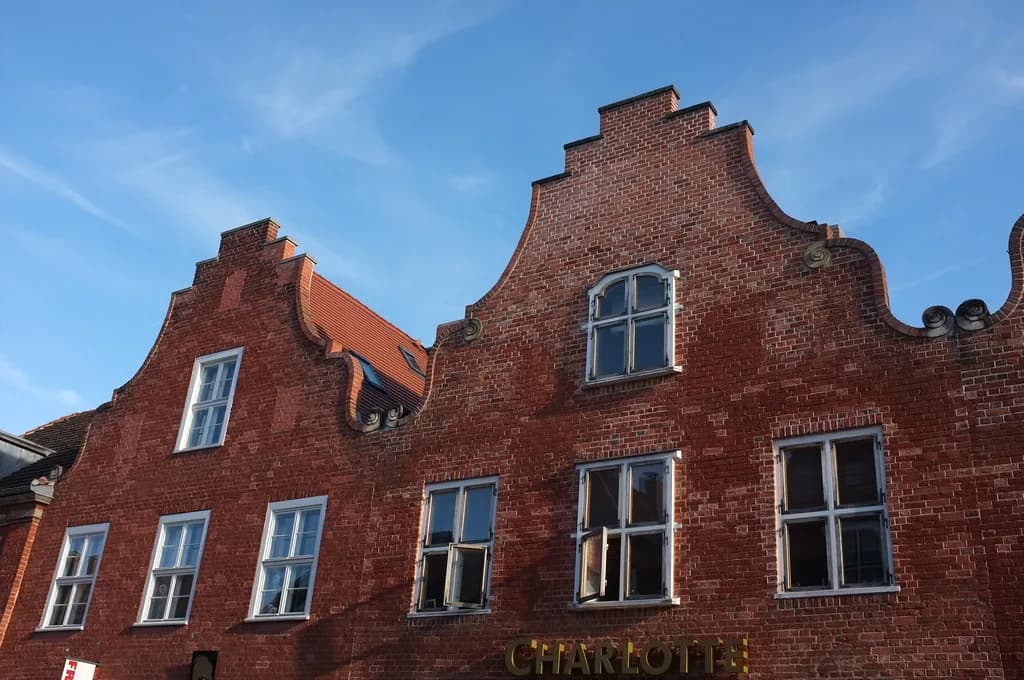
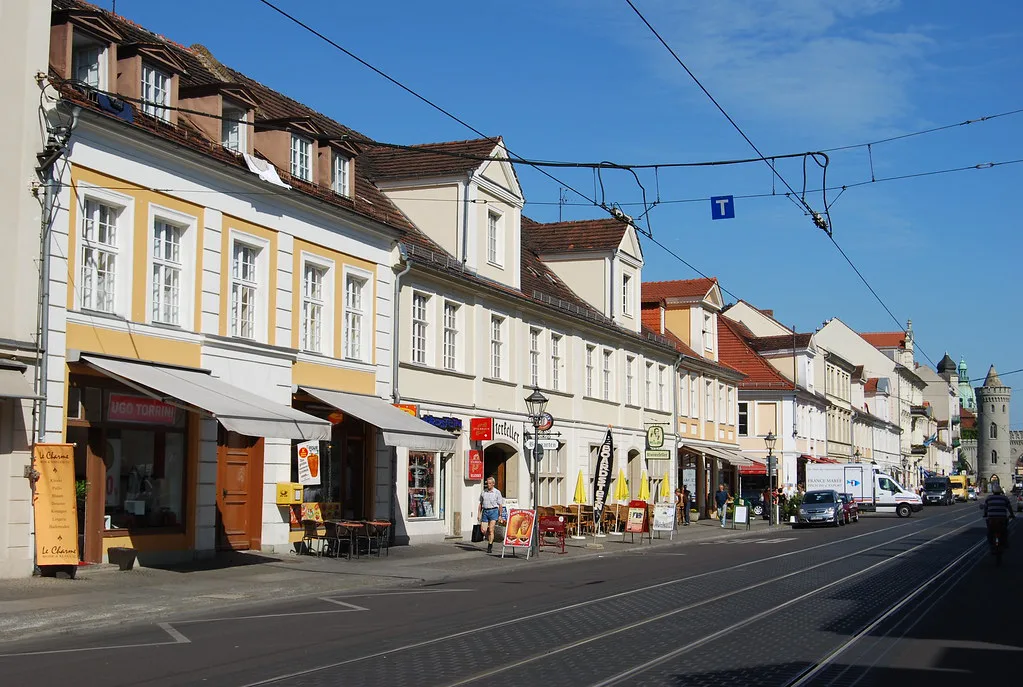
Many restaurants sit in the side streets off Brandenburger Straße and directly on it. Locals nickname the street Broadway, and it is Potsdam's best-known shopping street, so the restaurant density is high and the foot traffic matches. The Holländerviertel, or Dutch Quarter, adds a cluster of cozy taverns and dining rooms in its own lanes.
Planning around these two areas means you can compare several German-leaning kitchens on foot instead of committing to one address before you arrive. Start near Brandenburger Straße for choice and convenience, then drift into the Holländerviertel for a quieter room. Our what to eat in Potsdam guide covers the dishes worth seeking out as you walk, and our cafes in Potsdam guide is a useful companion for daytime stops.
If you want a broader shortlist before narrowing to German cooking, the best restaurants in Potsdam guide lays out the full spread across the city. Use it to see how the traditional rooms compare with international options nearby.
Restaurants in historic buildings and what that setting changes
A number of Potsdam restaurants sit in historic buildings, where the architecture becomes part of the meal. That setting usually means higher ceilings, older walls and a more formal feel, which pushes the pace slower and the tab upward. It is worth choosing deliberately: a historic room suits a long dinner, while a plain neighborhood tavern suits a quick plate.
Some of these rooms also look out toward the palaces and gardens, so ask for a table near the window if the view matters to you. The trade-off is that atmospheric settings can draw a tourist crowd, which sometimes softens the cooking. If you want the food to lead, pick the kitchen first and the room second.
German classics to order and what they are
Schnitzel is a thin cutlet, usually pork or veal, breaded and fried, and it is the safest entry point on any German menu. Eisbein is pork knuckle, typically braised or roasted until tender, and it is a heavy plate best shared or ordered when you are genuinely hungry. Rinderrouladen are beef rolls stuffed with bacon, onion and pickle, braised until soft and served with gravy.
Wildgerichte means game dishes, and these are where Brandenburg cooking shows its forested side, especially in autumn. Potato dishes arrive as boiled potatoes, fried potatoes, potato salad or dumplings, and they are the reliable vegetarian-adjacent side in a traditional room. If you are unsure what a term means, ask the server; German menus are usually happy to explain.
Portion sizes in traditional German restaurants are large, so consider ordering one main and adding a side rather than a full starter-main-dessert sequence. That keeps the meal manageable and the bill lower. It also leaves room for a slice of cake later, which is a genuine part of the local eating rhythm.
Ordering and paying at a Potsdam restaurant
In a traditional German restaurant, you usually seat yourself only when a sign says so; otherwise wait to be shown to a table. Menus come to the table, and you order drinks first, then food when the drinks arrive. Water is often bottled and paid for, so ask for Leitungswasser if you want tap water and accept that some places charge for it.
Cash remains common in smaller German restaurants, so carry euros even if you plan to pay by card. When you are ready to leave, catch the server's eye and say you would like to pay; the bill comes to the table rather than to a counter. Tipping is done by telling the server the total you want to pay, rounding up for good service.
Many German restaurants close one day a week for Ruhetag, so check the door or the restaurant's own site before you build an evening around one address. That is the one detail worth confirming by phone or online, since schedules vary by season. If a place is closed, the clusters around Brandenburger Straße give you a fallback within a few minutes' walk.
Picking between a regional kitchen and a modern German menu
Choose Der Butt when fish and regional sourcing are what you came for, Höfts when you want a modern German menu in a villa setting, and Zum Fliegenden Holländer when the regional thread matters more than the room. All three give you a German meal, but they deliver different evenings. Match the choice to your appetite and budget rather than to a ranking.
If you want a beer with dinner, Potsdam's brewery scene and beer gardens are part of the same eating landscape, and a brewery tap is a natural pairing with a traditional plate. Our Potsdam brewery guide covers where to find those rooms. Keep the beer modest and the meal the focus.
For a broader comparison across the city's restaurants, return to the best restaurants in Potsdam guide, which sets the German kitchens alongside the rest. It is the fastest way to see whether a traditional room or a modern menu fits the evening you have in mind.
Which German restaurant in Potsdam fits your evening
If you want fish and a regional plate, book around Der Butt on Gutenbergstraße. If you want a modern German menu in a villa, aim for Höfts in the Villa Kellermann on Mangerstraße. If regional sourcing is the priority, Zum Fliegenden Holländer on Benkertstraße is the straightforward pick.
Build the evening around one of the two clusters, Brandenburger Straße or the Holländerviertel, so you can compare rooms on foot and keep a fallback close. Carry euros for smaller places, order one main plus a side if portions look large, and confirm the Ruhetag before you commit. That is enough planning for a good German dinner in Potsdam.
Explore more Potsdam guides
Frequently Asked Questions
Is traditional German food in Potsdam expensive?
Prices vary by kitchen and by whether you order a modern menu or a traditional plate, and the restaurants do not publish fixed prices for every dish. Expect a modern German menu to cost more than a plain neighborhood tavern, and check the menu at the door or on the restaurant's site before you commit.
Do Potsdam restaurants take credit cards?
Larger restaurants and modern rooms usually accept cards, but smaller traditional places often prefer cash. Carry euros as a backup, and ask before you order if you plan to pay by card.
Sources
Notes for your next German food trip
Optional updates to our guides.
You might also like
Continue reading
More guides you'll find useful