What to Eat in Passau: Bavarian and Passau Specialties
Passau food means hearty Brotzeit, river fish in Lent and the city's own bitter Goldpomeranze citrus. Here are the local dishes and where to try them.
On this page
Passau food is Lower Bavarian cooking with a river in it: a cold Brotzeit of farm-cured bacon and dark bread, freshwater fish from the Danube, Inn and Ilz, and a handful of sweets you can only buy here. The two city originals to look for are the Passauer Goldpomeranze, a bitter citrus grown in Passau again since 2015, and the Passauer Goldhauben, apricot and nut truffles shaped like historic headdresses. This guide explains each dish, what it tastes like and which parts of town to head for.
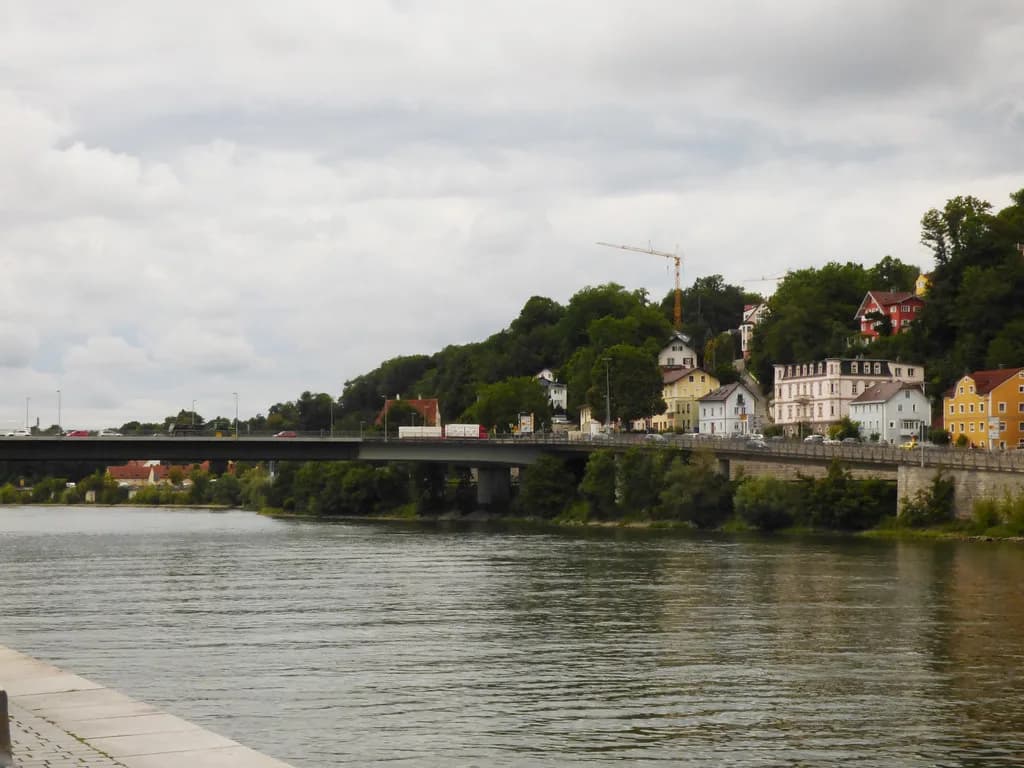
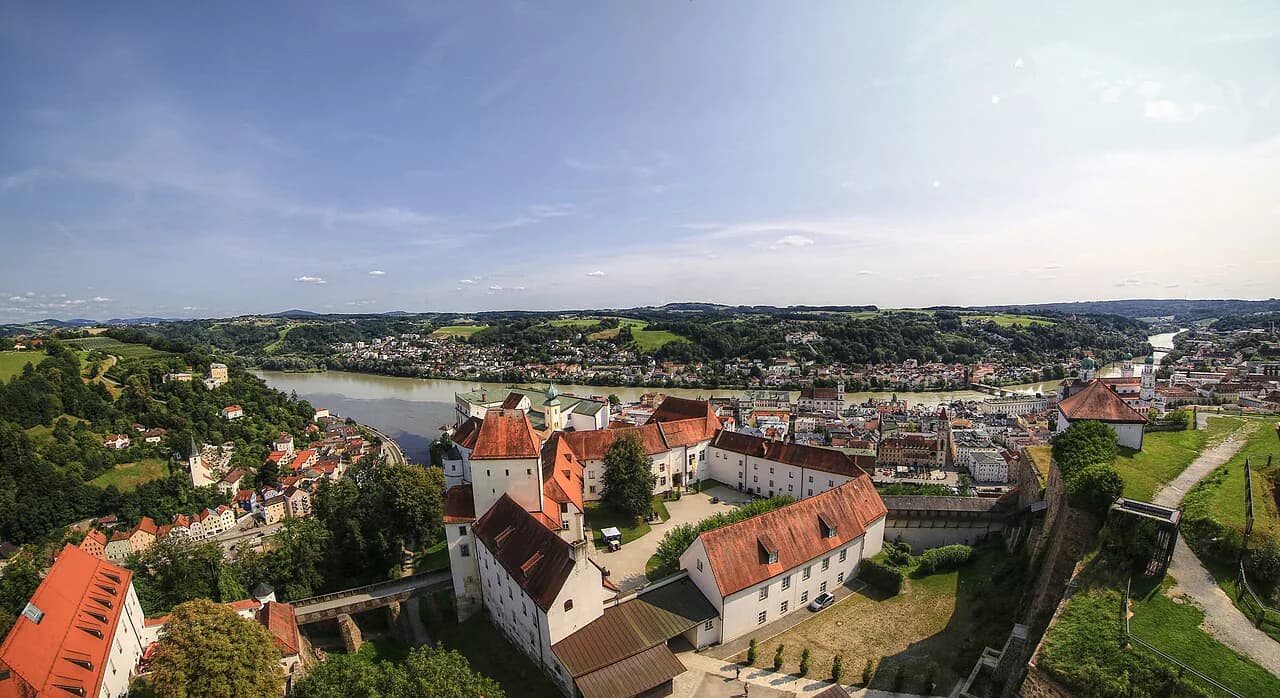
The city spreads across a narrow peninsula between the Danube and the Inn, with the Ilz joining just north of the old town, and the baroque Altstadt around Dom St. Stephan is where most of your eating will happen. Three rivers shape the menu, and Lent in particular brings fish forward, so what is on offer shifts with the calendar.
Below you get the deep-local Passau items first, then the Bavarian classics and the Austrian and Bohemian dishes that crossed the nearby border, followed by market days, ordering and paying, and how to put a beer alongside. For a full list of kitchens by neighborhood, the companion guide to the best restaurants in Passau picks up where this one stops.
What Passau food is: Lower Bavarian cooking at three rivers
Passau is in Lower Bavaria, close to the Austrian border and the edge of the Bavarian Forest, and the regional kitchen stays deliberately down to earth: products from local farms, honest portions, and enough technique to keep it interesting. The Passau tourism region describes its Gasthöfe, restaurants and hotels as serving that traditional Bavarian cooking, with many ingredients grown or raised by the businesses themselves.
What makes the menu local rather than generically Bavarian is the water. Fish come from the Danube, Inn, Ilz and Rott as well as from regional farms, and the species list is specific: pike, catfish (Waller), huchen, trout and zander.
The second influence is the border. Austrian and Bohemian cooking left dishes such as Tafelspitz (simmered beef), Böhmische Knödel (boiled bread dumplings), Kaiserschmarrn (shredded pancake with fruit) and Palatschinken (thin filled pancakes) on local menus. The regional food board also counts Italian influence in the kitchen. If a dish sounds Viennese or Prague-ish rather than Munich-ish, that is the house style, not a mistake.

Start with a Brotzeit: cold cuts, farm-cured bacon and dark bread
Brotzeit means the cold board that opens a meal or stands in for one: sliced cold cuts, farm-cured bacon, dark Schwarzbrot (rye-leavened sourdough bread) and a beer poured from the tap. The regional food board describes exactly that combination across the Passau region, and it is the cheapest, most useful way for a traveler to taste what the region makes without committing to a full menu.
Order it when you want a slower lunch with a beer rather than a heavy plate of meat and dumplings, and note that a Brotzeit is a shared plate culture: portions often come arranged for the table, with bread replenished as you go. Butter, radishes, pickles and a wedge of cheese are common additions, though which ones appear varies by kitchen.
If your table has people skipping meat, a Brotzeit board is the easiest place to build a meat-free meal from cheese, bread and vegetables, and the guide to Vegan and Vegetarian Food in Passau covers how far that gets you.
Danube and Inn fish: pike, zander, trout and huchen
Local kitchens serve a firm list of freshwater fish: Hecht (pike), Waller (catfish), Huchen (huchen, a large salmonid), Forelle (trout) and Zander (pike-perch). The fish come from the rivers as well as from regional breeding ponds, which is why they turn up on ordinary Gasthof menus.
The classic preparation here is blau gekocht, poached blue in a vinegar-and-root broth, a technique that turns the skin of river fish a pale blue and leaves the flesh soft and mild. Fried is the easier sell for a first-timer, often served with potatoes and a green salad, while the poached version rewards anyone who likes clean, delicate flavors.
Ash Wednesday, Aschermittwoch, is the day this matters most. The regional source describes a traditional Aschermittwoch fish meal to mark the start of fasting, with the best fish specialties from local breeding and the rivers served in many variations. If you are in town in late winter, a fish lunch on that Wednesday is the most Passau thing you can eat.
The Passauer Goldpomeranze: Passau's own bitter citrus
The Passauer Goldpomeranze is a bitter orange, much more bitter than an eating orange. Passau's city garden department began reviving the old citrus-growing tradition as a project in 2006, and since 2015 the fruit has been grown in Passau again. The historic reference point is the Hofgarten at Schloss Hacklberg, where citrus was cultivated between 1554 and 1813; today the protected trees stand along the Cagnes-sur-Mer-Promenade in town.
Because the fruit is bitter rather than sweet, it works as an accent rather than a snack: Passau's food scene has put it into yogurt-pomeranze ice cream, a veal loin in puff pastry with pomeranze sauce, Poncirus gingerbread and a Goldpomeranzen mustard. These are examples of how Passau kitchens use the fruit, so treat them as a flavor to look for rather than a fixed menu anywhere.
For a traveler, the citrus is worth seeking out because it is specific to Passau rather than part of the standard Bavarian repertoire. Look for it in the city's cafés and on dessert lists, and if a dish uses the peel or the juice, order it once to see what the bitterness does to a sweet or a sauce.
Passauer Goldhauben: apricot and nut truffles
Passauer Goldhauben are a praline made in the shape of the historic headdresses once worn by the city's women: fine apricot and nut pralines with a tail of caramelized almond splinters and a decoration of leaf gold. They are small and rich, and a box makes a practical edible souvenir to carry home from the Altstadt.
Treat them as a token rather than a meal, since the apricot and nut filling is dense enough to share, and they pair better with coffee than with beer, so an afternoon stop is the sensible slot.
Bavarian classics on Passau menus
Alongside the local items you will see the Bavarian standards: roast pork with crackling and bread and potato dumplings. These are not Passau inventions, but the versions here often carry the Austrian and Bohemian accent described above, so a dumpling plate may arrive with a richer sauce than you would get further west.
Dishes like Tafelspitz and Kaiserschmarrn are the clearest sign of that border influence, and both are worth ordering if you want a break from pork and dumplings. Palatschinken and Buchteln (sweet baked yeast buns) often show up on the dessert side; the regional food board calls them part of the local kitchen's inheritance from Austria, Bohemia and Italy.
The Passau weekly market: Tuesdays, Fridays and Saturdays
The weekly market runs on Tuesdays and Fridays in the Klostergarten and on Saturdays on the Domplatz, so the day you arrive decides which site you need. Map both sites before you go.
A market visit is the simplest way to assemble a picnic of local cheese, bread, cured meat and seasonal produce, and Saturday is the only weekend option. Go in the morning, bring cash, and treat the market as a supplement to a sit-down meal rather than a replacement for one.
Where to eat in Passau: the Altstadt and the riverbanks
Most of your eating will happen in the Altstadt lanes between the Dom and the rivers, where Gasthöfe, cafés and restaurants sit in the baroque blocks the city is known for. The peninsula between the Danube and the Inn puts the historic center within walking distance of both banks.
Two practical splits help. For a white-tablecloth or special-occasion meal, check the Michelin Restaurants in Passau guide before you book, and for a serious look at the region's small and mid-sized breweries, the Passau Breweries page lists where the beer comes from.
If you want a shortlist before choosing a Wirtshaus, the companion guide to the best restaurants in Passau names the places by neighborhood and explains what each is known for.
Pairing food with the region's small breweries
The Passau region keeps a dense scatter of small and mid-sized breweries, and the regional food description points to them presenting their beer alongside the local kitchen. That means a Gasthof will often have a house or nearby brewery beer on tap, poured fresh and simple rather than treated as a tasting flight.
Match the beer to the plate: a clean, mid-strength lager works with fried fish and with a Brotzeit, while a darker beer suits roast pork and dumplings. Ask what is on tap, take a small glass with lunch, and leave the driving or the afternoon walking for later.
If you want to understand who brews what in the area before you sit down, the Passau Breweries guide explains the styles and the producers, which makes ordering at the table much easier.
How to order and pay in a Passau Gasthof
In a Passau Gasthof or Wirtshaus, find a free table yourself unless a sign says otherwise, and expect the menu to arrive in German with a few English translations. Order drinks first, then food, and ask for the Tageskarte or Wochenkarte if there is one, since the seasonal plate is often the fresher option.
Many traditional places still take cash only or prefer it, so carry euros; card acceptance is more common in cafés and city-center restaurants but not guaranteed in a country Gasthof. Tipping is done by rounding up or adding a few percent and telling the server the total you want to pay, not by leaving coins on the table.
Portions run large, so a starter and a main between two people is often enough, and asking for a box to take leftovers is normal in casual places. If you want a slower morning before a day of eating, the Brunch in Passau guide covers the late-breakfast options near the center.
What to Order First in Passau
If you have one meal in Passau, make it a Brotzeit with a beer from the region, then follow with a river fish and finish with something built on the Goldpomeranze. That order gives you the bacon, the water and the city's own citrus in a single sitting, and it is the clearest way to taste what sets Passau's table apart.
If you have a second day, spend it on the market and the sweets: check whether it is a Tuesday, Friday or Saturday, buy bread and cheese for a picnic, and pick up a box of Goldhauben for the trip home. A fish lunch on Ash Wednesday is the one date worth planning your visit around.
Frequently Asked Questions
What food is Passau known for?
Passau is known for a hearty Bavarian Brotzeit of cold cuts, farm-cured bacon and dark bread; freshwater fish from the Danube, Inn, Ilz and Rott such as pike, zander and trout; and two city originals, the bitter Passauer Goldpomeranze citrus and the apricot-and-nut Passauer Goldhauben pralines.
What is the Passauer Goldpomeranze and what does it taste like?
It is a bitter orange, far more bitter than an eating orange and too intense to snack on. Passau's city garden department began reviving the old citrus tradition in 2006, and the fruit has been grown in Passau again since 2015. In the city it turns up as a flavor in ice cream, sauces, gingerbread and mustard, so order it as a dessert or an accent rather than expecting a sweet fruit.
When can I eat fish in Passau?
Freshwater fish appear on ordinary Gasthof menus, but Ash Wednesday is the traditional fish day, when Lent begins and regional restaurants serve a traditional Aschermittwoch fish meal. Pike, catfish, huchen, trout and zander are the species most often listed.
Sources
Notes for your next German food trip
Optional updates to our guides.
You might also like
Continue reading
More guides you'll find useful