Rothenburg ob der Tauber Beer: Where to Drink & Choose
Rothenburg beer means the historic Brauhaus site below the old town, planned as a house brewery with a tavern, and Landwehr-Bräu, a country brewery with its own inn.
On this page
For beer in Rothenburg ob der Tauber, plan around two addresses: the Brauhaus Rothenburg on the edge of the old town, a rescued 1895 brewhouse complex whose approved redevelopment plans a house brewery, public tavern and beer garden, and Landwehr-Bräu, a private brewery with its own Gasthof about ten minutes by car from town. The first keeps you near the walls and shows the brewing architecture; the second, a working brewery, rewards a car with a proper Franconian brewery meal. This guide covers what each pours or is planned to pour, how the spaces work and how to match the beer to the food.
A small brewing town with a Franconian accent
Rothenburg sits in Middle Franconia, the region that gives German beer some of its most stubborn local loyalty, and its brewing story is modest rather than industrial. The town's brewery history runs from 1724 until 2013, with the Brauhaus itself recorded as operating from 2008 to 2013 before that chapter closed. Old brewery buildings survive here and there, which is why a revived brewhouse fits the town better than a brand-new brewpub would.
What that means for a visitor is simple: you are not choosing between dozens of taprooms. One working brewery address, Landwehr-Bräu, carries the beer identity outside town, while the Brauhaus is the historic brewing site and a planned future brewery in the old town's orbit; each suits a different kind of stop. If you want the fuller picture of where to eat in town, the best restaurants in Rothenburg ob der Tauber picks fill in the rest of the day.
Brauhaus Rothenburg: the 1895 brewhouse and its revival
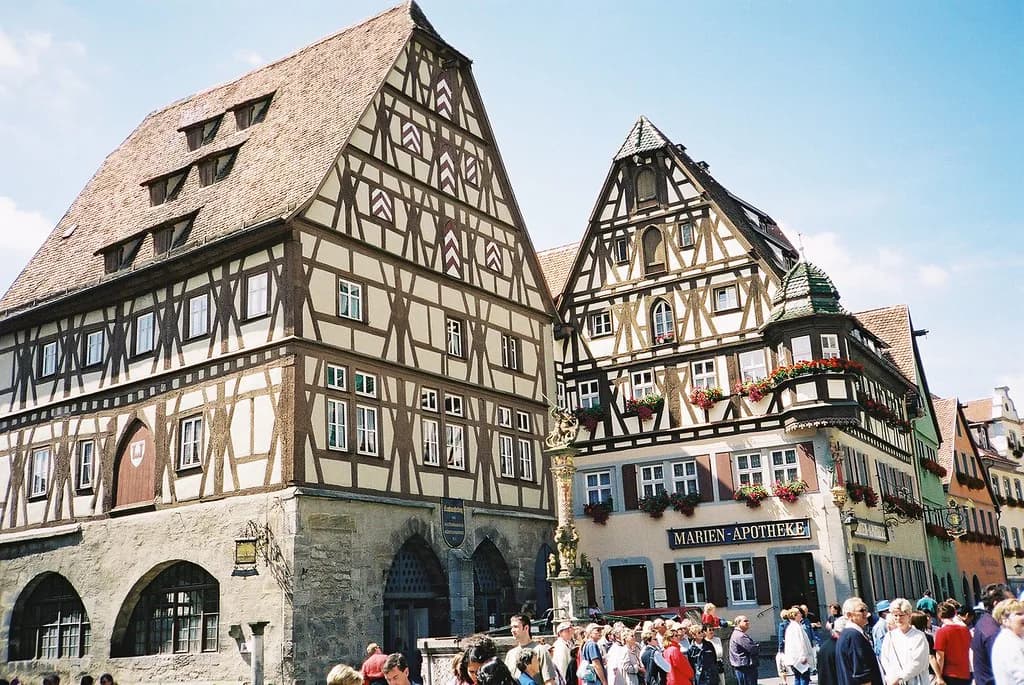
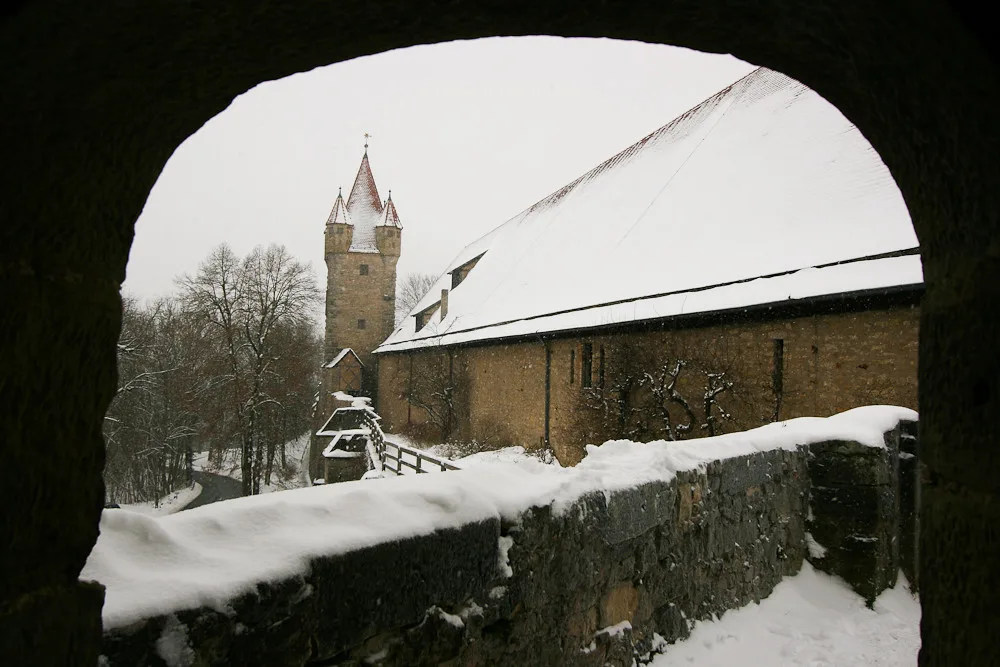
The Brauhaus Rothenburg is a former industrial brewery built by Hans Hopf in 1895, one of the few surviving brewery buildings of its kind, and it sat abandoned before the town of Rothenburg backed a redevelopment project completed in 2019. The old brewhouse, or Sudhaus, stays the centerpiece, with vaulted cellars and tunnels running beneath it and a park with an old tree-lined avenue around it. A visitor reads the place as a piece of brewing architecture first, which is part of its appeal.
The redevelopment concept calls for a working brewery again: the former grain stores and coach houses are planned as a public tavern and beer garden, and the house brewery is designed to brew Rothenburger beer once more. That makes it the town's brewing address in concept, even though the building's first life ended long ago. Approach it as a piece of brewing architecture and a planned project rather than a medieval tavern.
What the Brauhaus is planned to pour
The plan for the Brauhaus is a house-brewed Rothenburger beer, made on the site where it would be served. Franconian brewing leans on clean, drinkable styles rather than extremes, so expect the kind of lager that works with a plate of pork and dumplings as well as it does on its own. Whether the brewery is pouring yet depends on the project's progress.
If you are new to Franconian beer vocabulary, a few words cover most orders. Helles is a pale, mild lager; Pils is crisper and hoppier; Kellerbier or Zwickelbier is unfiltered, cloudy and slightly yeasty; and a Biergarten typically serves Maß or half-liter pours depending on the venue. Knowing these four terms makes any menu in the region readable, including at a planned Brauhaus tavern.
The planned Schenke and beer garden at the Brauhaus
The Brauhaus concept is built around a tavern, called a Schenke, and a beer garden, both meant to be public rather than reserved for any one crowd. As planned, the setup makes it a flexible stop: sit indoors in the urban-rustic rooms if the weather turns, or take a table outside in the green space with the old trees around you. The site sits just outside the medieval old town with a view over the Taubertal.
For a beer stop rather than a full meal, a beer garden is usually the easier choice, since you can order a round without committing to a long lunch. A tavern suits a sit-down meal with beer alongside. The site is also planned to host celebrations and events, so if you are making the Brauhaus the centerpiece of an evening, ask ahead whether it is open and what is on.
Landwehr-Bräu: a private brewery on the old post road
Landwehr-Bräu is a private brewery with its own Brauereigasthof and hotel, and its position on the historic post road between Würzburg and Rothenburg has made it a natural place to stop for travelers for a long time. It sits roughly ten minutes by car from Rothenburg and about three kilometers from the A7, which makes it a practical pause if you are driving through Franconia. The brewery describes its house as one of Germany's most beautiful private breweries, a claim worth treating as the house's own description rather than a verdict.
The building is a combined brewery and inn, so brewing, eating and sleeping happen in one ensemble of connected rooms. That matters for a beer visit: you can tour the brewery, eat in the Gasthof and drink the house beers without moving the car twice. Brewery tours can be booked online through the brewery's site.
Drinking Landwehr-Bräu beers in the Gasthof
The beers are sold under the Landwehrbiere name, brewed on site and served in the brewery's own Gasthof, which is the most direct way to taste them. Order a round with your meal rather than as a separate stop; the Gasthof is a restaurant first, and the beer is built to go with the food. The inn has several guest rooms, so where you sit depends on which one is open when you arrive.
Because the brewery also runs a hotel and seminar spaces, the atmosphere leans toward a comfortable country inn rather than a bare taproom. That makes it the better pick for a leisurely lunch with beer than for a quick pint. If you are coming from the autobahn, this is the stop that fits a driving day best.
Beer with Franconian food: what to match
Franconian cooking is built for beer: Bratwurst, the small grilled sausages served with sauerkraut or on a roll, and Schäuferle, roasted pork shoulder with a crisp crust, both want a clean lager rather than anything heavy or sweet. A pale Franconian lager or a cloudy Kellerbier handles the richness of roast pork and dumplings without overpowering the sausage. Order the sausage at lunch and the Schäuferle when you have time to sit.
If you want the meal to be the point of the stop, book the brewery Gasthof and eat there; if you want to graze across town, the best restaurants list is a better starting point. Either way, treat beer as part of the meal rather than a separate mission. A half-liter with lunch is the Franconian norm, and it leaves the afternoon free.
Rothenburg's brewing history in brief
The town's brewery record runs from 1724 to 2013, with the Brauhaus documented as a working brewery from 2008 until 2013 in its most recent incarnation. The 1895 Sudhaus by Hans Hopf outlasted the brewing operations inside it and became an industrial monument, which is why the site's revival reads as a rescue rather than a new build. That long gap between brewing lives is the most interesting fact about beer here.
The 2019 redevelopment kept the old brewhouse as the heart of the complex instead of clearing the site, and the cellars beneath were to be repurposed rather than filled in. For a beer-minded visitor, that continuity is the reason to walk down and look at the building. It is also why the Brauhaus reads as a brewery site rather than a themed restaurant.
Old town or countryside: choosing your beer stop
Choose the Brauhaus if you want to see the brewing site on foot: the redevelopment plans a beer garden for an outdoor option and a tavern for a rainy day. Choose Landwehr-Bräu if you have a car, are driving the A7, or want the full brewery-inn experience with a proper meal and the option of a brewery tour. The trade-off is simple: a planned site with setting and convenience on one side, versus a working country brewery with more room to settle in on the other.
Neither address needs to fill your whole day. A look at the Brauhaus pairs well with a walk around the old town, and a lunch at Landwehr-Bräu pairs well with a drive on to Würzburg or back up the autobahn. If you are traveling without a car, the Brauhaus is the straightforward place to see the historic brewing architecture.
Which beer stop fits your day
For most visitors on foot, the Brauhaus Rothenburg is the site to see: a rescued 1895 brewhouse planned for a house-brewed Rothenburger beer, with a tavern and beer garden as part of the concept. If you have a car and want a working country brewery with its own inn, Landwehr-Bräu on the old Würzburg road is worth the ten-minute drive.
Build the rest of the day around eating rather than drinking: a sausage lunch with a lager, a Schäuferle dinner with a Kellerbier, and one brewery visit rather than two in a single afternoon. Confirm current opening days and any tour times directly with each house before you go, since these change with the season.
Explore more Rothenburg ob der Tauber guides
Frequently Asked Questions
Do you need a car to drink beer in Rothenburg ob der Tauber?
A car helps for Landwehr-Bräu, about ten minutes away by car, which suits travelers driving the A7 or those with a designated driver. The Brauhaus site sits just outside the medieval old town and can be reached on foot to see the brewing architecture; its planned tavern and beer garden are not confirmation that they are open, so check with the owners before planning a visit around them.
What beer is brewed in Rothenburg ob der Tauber?
The Brauhaus Rothenburg has a house brewery planned that is to brew Rothenburger beer on the restored 1895 brewhouse site. Landwehr-Bräu, a working private brewery outside town, brews its Landwehrbiere and serves them in its own Gasthof. Ask at either house which beers are pouring when you visit.
Sources
Notes for your next German food trip
Optional updates to our guides.
You might also like
Continue reading
More guides you'll find useful