Regensburg Food Tour: What to Taste and How to Plan
A Regensburg food tour pairs Bavarian cooking with brewery history. Here is what tasting walks cover and how to build your own eating route.
On this page
A Regensburg food tour is a guided walk that links historic eateries, local dishes and beer tastings into one afternoon or evening. You can book one, but you can also copy the format yourself: one savory stop at a traditional inn, one beer stop tied to the city's brewing history, and one café or bakery stop between them. This guide explains what tasting routes cover, which Bavarian dishes to order, and how to build a route that fits your appetite and budget.
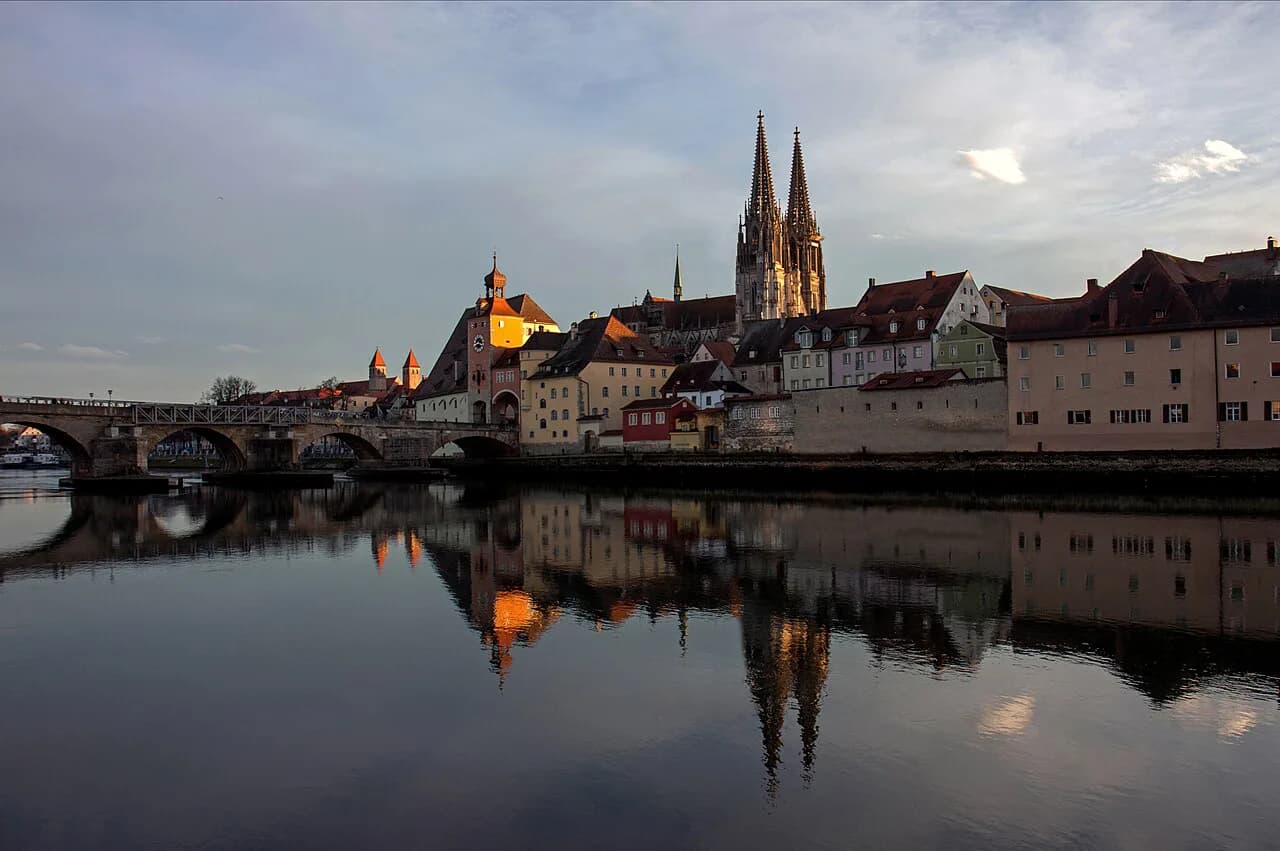
The old town core around the Rathausplatz puts the best restaurants in Regensburg within a short walk of each other, and the range of kitchens runs from rustic Bavarian inns to Italian, Greek, Thai and Japanese places, so a tasting day can mix styles without long transfers. Treat the route as a flexible framework and adjust the number of stops to how much you actually want to eat.
What a Regensburg Food Tour Actually Covers
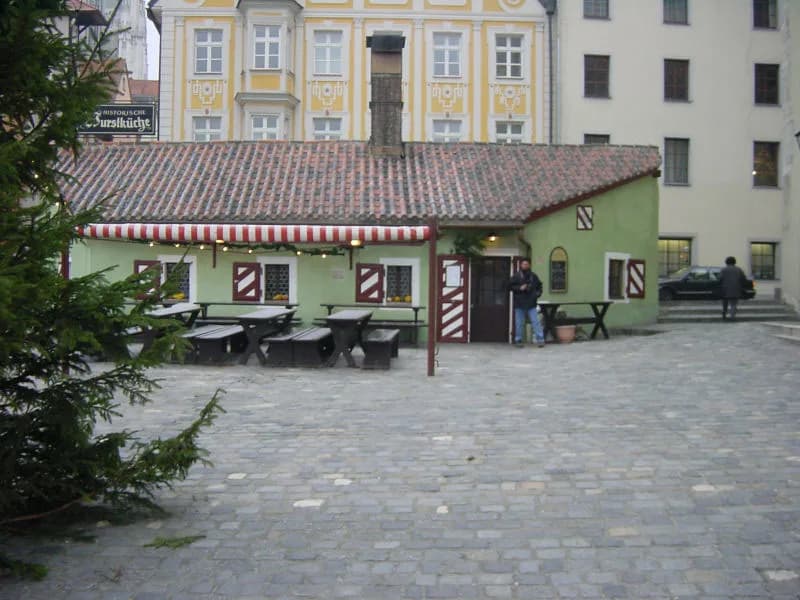
Guided tasting walks in Regensburg generally combine three ingredients: a historic or traditional eatery, a local dish, and beer served close to where it is brewed. The city's tourism office describes a dining scene where rustic, original Bavarian inns sit right next to modern-styled restaurants, which is exactly the contrast a good tour exploits. Expect stops that are chosen for their setting and their story as much as for the plate.
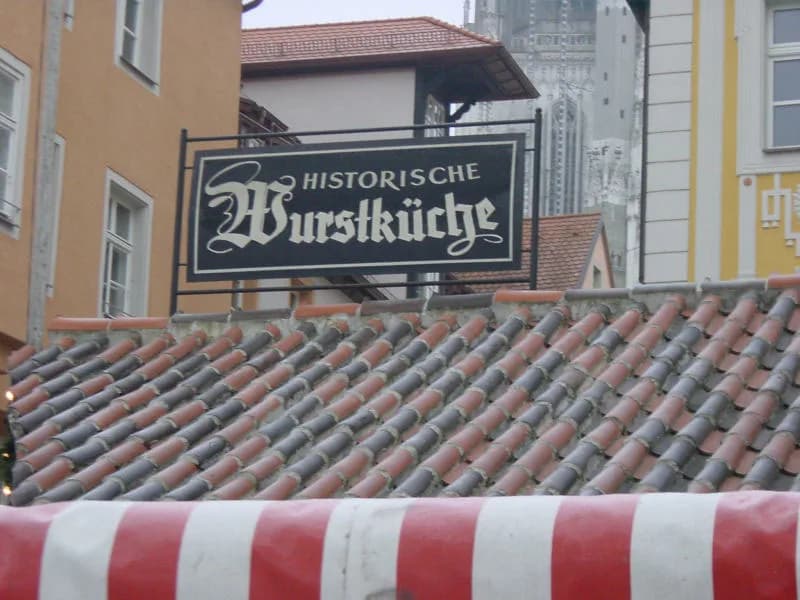
The strongest routes treat food as a way into the city's history rather than a checklist of snacks. A private tour operator advertises itineraries built around historical eateries and local markets, sometimes with food and beer tastings at places with history attached. That framing is useful when you compare offers: you are paying for context and access, not just for the food itself.
Group size and pacing vary between tour companies, so check what a tour actually includes before you book: number of tastings, whether drinks are covered, and whether the walk is public or private. Ask which establishments are visited and whether any stop is a full sit-down meal. If the answer is vague, the tour is likely a light grazing format rather than a proper lunch.
The Regensburg Food Scene in Plain Terms
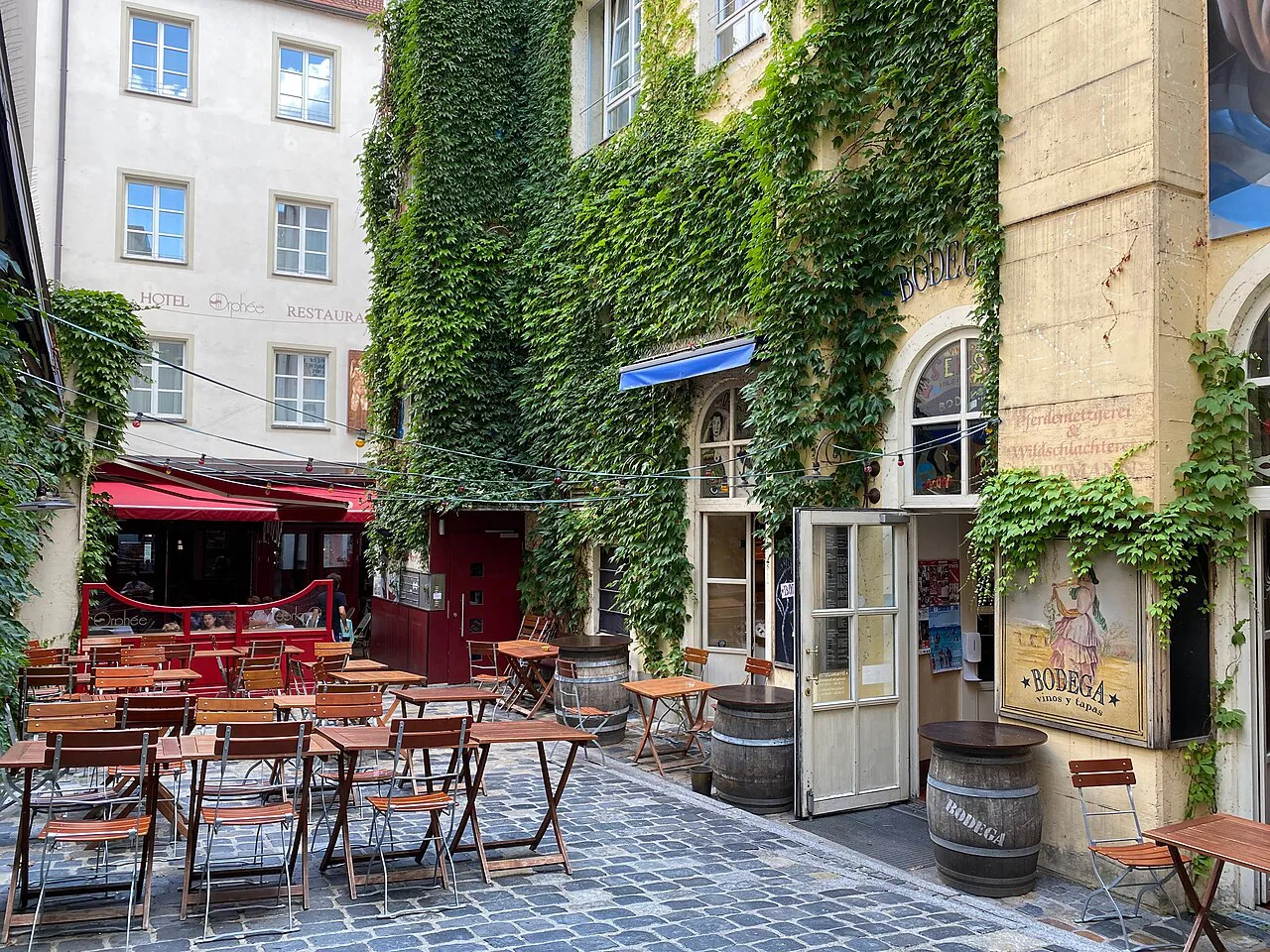
Regensburg's tourism office calls the city one of Germany's highest-density restaurant towns, and the mix is broader than the Bavarian stereotype suggests. Traditional inns serve hearty regional cooking in historic-romantic surroundings, while internationally oriented places offer everything from Italian and Greek to Mexican, Thai, Japanese and African specialties. For a tasting day, that variety means you can build contrast into the route instead of eating the same style three times.
Beyond the inns, the tourism office points to numerous cafés, pubs, restaurants and bistros across the city, plus a separate beer garden tradition. Those categories matter for planning because they set the pace: a bistro is a quick sit, an inn is a full meal, and a beer garden is a long stop by design. Use them as building blocks rather than treating every venue as interchangeable.
What to Order at a Traditional Bavarian Inn
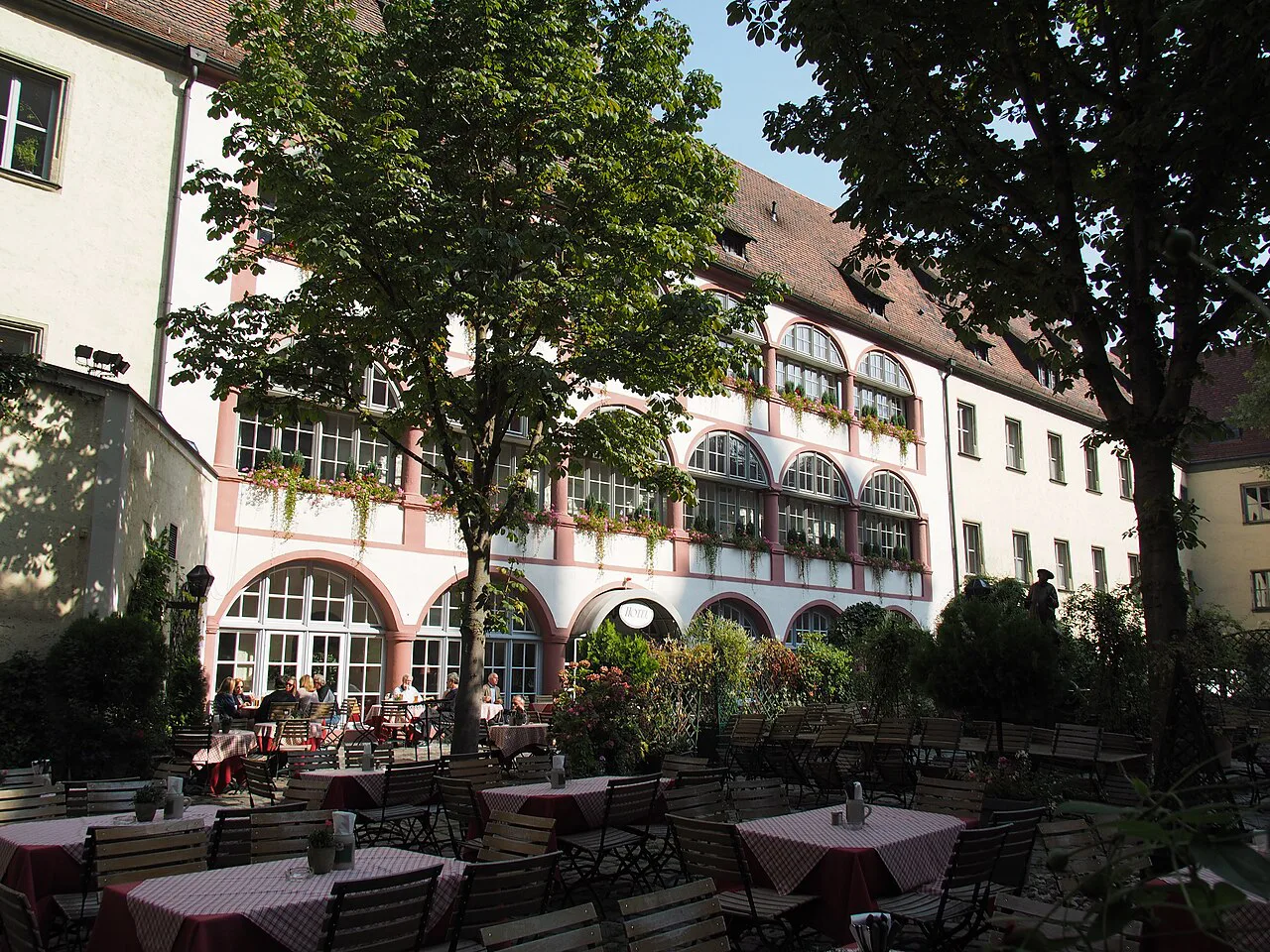
At a traditional inn, the reliable order is a roast with dark beer gravy, a plate of Käsespätzle (cheese noodles topped with fried onions), or a pork dish with dumplings. These are the dishes that best match the rustic register of a historic dining room, and they are substantial enough to anchor a tasting day. If you plan two or three stops, share plates so the later beer stop still appeals.
Ask what the kitchen is known for rather than defaulting to the first item on the menu, and check whether portions are lunch-sized or dinner-sized. Bavarian cooking is filling, and a common mistake on self-built food days is ordering a full main at every stop. One proper main, then smaller plates elsewhere, gives you far more range.
Beer as the Through-Line
Beer anchors most Regensburg tasting routes because the city's brewing history is inseparable from its food culture. Looking for a brewery Regensburg stop gives the day a spine: you taste something produced locally and you learn why the style developed here. Keep the beer portions small and spread across the afternoon, with water alongside, so the walking and the eating stay comfortable.
A tour operator may be able to include tastings at local places with brewing history, which is one advantage of booking rather than improvising. If you go independently, choose one brewery stop as the centerpiece and let the savory and café stops orbit around it. Order half-liters or smaller where available, and treat the beer as a tasting flight rather than a session.
Building Your Own Route: Savory, Beer, Café
A simple self-guided structure works well in a compact old town: one savory stop, one beer stop, one café or bakery stop. Start with the savory meal while you still have an appetite, walk the old town in between, then take beer and coffee in whichever order suits the time of day. Three stops fill an afternoon without leaving you overfed.
If you want a lighter day, swap the café stop for a bistro or pub and keep the portions small. The tourism office's list of cafés, pubs, restaurants and bistros is a reminder that Regensburg gives you plenty of smaller-format options between bigger meals. A light stop also keeps the budget in check, since you are ordering a drink and a snack instead of a second main course.
Where to Start Your Route
Use the Tourist Information at Rathausplatz 4 as your anchor. It sits in the middle of the old town, so a route can radiate outward from there without backtracking, and it is open daily from 9.30 am (to 6 pm Monday to Saturday, 4 pm on Sundays and public holidays). Pick up a city map and a current gastronomy brochure before you set off, then walk in one direction rather than crisscrossing.
Starting in the center also lets you see the kind of stop on offer before committing to a big meal. The tourism office's own gastronomy overview is organized by style, separating Bavarian inns and beer gardens from cafés, pubs, restaurants and bistros, which mirrors the structure of a good tasting day. Use that split to choose your stops in advance and leave room for one spontaneous find.
Beer Gardens in a Food-Tasting Day
Bavarian beer gardens belong in a tasting day as a sit-down stop, not a quick beer at a counter. The format is communal: long tables and a pace built for lingering rather than a fast turnaround. Treat a beer garden as the long, relaxed final stop of the day rather than squeezing it into a tight three-stop schedule.
The tourism office groups beer gardens with Bavarian cuisine, which is a fair signal that this is where the traditional cooking lives. Order a beer and a simple plate and let it serve as your lighter savory course rather than a second heavy meal. Keep this stop unhurried, since a beer garden is designed for sitting rather than rushing between tastings.
Cafés, Pubs and Bistros: Where They Fit
Cafés and bistros are the glue in a food-tasting day: they fill the gap between two heavier stops and give you somewhere to sit down without committing to a full meal. A coffee and a slice of cake mid-afternoon resets the appetite before the beer stop. In the evening, a pub works as a casual ending where the focus is a drink and a snack rather than a menu.
Use these smaller stops deliberately: if the savory stop was a large lunch, follow with coffee and a walk, then let the beer venue be the last thing you do. If you are traveling with people who eat at different speeds, bistros tend to be the most forgiving format. For a fully meat-free version of the same route, check the city's vegan Regensburg options before you finalize the stops.
Paid Tour vs. Self-Guided: The Trade-Offs
A paid tour buys you structure, a guide who explains the history behind each stop, and access to places you might not find on your own. The private operator in Regensburg builds tours around historical eateries, local markets and optional beer tastings, which is exactly the kind of context a self-guided walker has to research themselves. If history and storytelling are the point of your day, a tour earns its price.
Self-guided routes cost only what you eat and drink, move at your own pace, and let you leave a stop you do not like. The trade-off is planning time and the risk of picking the wrong venue; the tourism office's gastronomy overview is the practical tool for avoiding that. If you want the depth of a guided tour without a group, plan your route around the same three inputs: a historic eatery, a local dish and a brewery-linked beer.
For a group, a paid tour can be simpler than coordinating several independent stops and splitting bills. For a couple or solo traveler who wants the freedom to linger, the self-built route usually wins. Decide based on whether you value the guide's commentary more than your own flexibility.
Which Kind of Food Day Should You Book?
Choose a guided tour if you want the city's brewing and dining history explained as you eat, and if you would rather not plan the stops yourself. Build your own route if budget, timing or appetite control matter more, and anchor it at the Rathausplatz tourist information before walking outward through the old town.
Either way, the format is the same: one proper Bavarian meal, one beer stop with a local connection, and one café or bistro to break up the day. Keep portions moderate, spread the beer across the afternoon, and leave space for a beer garden at the end.
Explore more Regensburg guides
Frequently Asked Questions
How much time do you need for a Regensburg food tour?
Plan the equivalent of an afternoon for three stops: a savory meal, a beer stop and a café or bistro. A guided walk compresses this into a fixed window, so check the itinerary length when you book. A self-guided route can stretch as long as you like, but three stops is a comfortable target for most appetites.
Do people speak English in Regensburg?
Regensburg is a university city and the tourist information office publishes English-language material, so ordering in English is generally workable in the old town. Menus in traditional inns may be German-only, so it helps to know a few dish names such as Käsespätzle (cheese noodles) and Schweinebraten (roast pork). Asking politely in English is normal practice.
What is Regensburg famous for in food terms?
Regensburg is known for a dense restaurant scene that mixes traditional Bavarian inns with international kitchens, plus a strong brewing tradition and beer gardens. The tourism office describes it as one of Germany's highest-density restaurant cities. For a tasting day, that means you can combine a historic inn, a brewery-linked beer stop and a café in a short walk.
Can you do a Regensburg food tour without booking a guide?
Yes. Build the route yourself around the same three inputs: a traditional Bavarian eatery, a venue with a brewery connection and a café or bistro. The tourist information office at Rathausplatz 4 is a practical starting point for maps and current gastronomy listings. The main thing you lose is the guide's commentary on history.
Sources
Notes for your next German food trip
Optional updates to our guides.
You might also like
Continue reading
More guides you'll find useful