Füssen Beer: Local Beer Styles and Where to Drink Them
Füssen's beer follows Bavaria: Helles, Weißbier and Radler, poured in town Gasthäuser alongside Bavarian plates. Here is what to order with it.
On this page
Füssen is not a famous brewery town, but it sits in Bavaria, so the beer you drink here follows the state's beer culture. You will commonly see Helles (a pale, malty lager), Weißbier (wheat beer), and often a Radler (beer mixed with lemonade) on taps across Bavaria. This guide covers the beer styles to try, what to expect in a Gasthaus, and the Bavarian plates that go with a glass.
Füssen lies in the Allgäu, the Alpine region of southern Bavaria, a part of the state with its own smaller, local producers alongside the bigger Bavarian brands. In practice, that means Gasthäuser around the old town and along the main streets are where you will drink beer with a meal. To plan a full day of eating, the best restaurants in Füssen guide covers the wider dining scene.
Bavarian brewing background behind Füssen's beer
Bavaria has a long history of monastery and princely breweries, and that tradition shapes how beer is treated across the state, including the Allgäu. Freising, north of Munich, is home to two of the oldest breweries in the world, the State Brewery Weihenstephan and Hofbrauhaus Freising, both of which trace their brewing rights back centuries.
For a concrete sense of scale, the Bavarian State Brewery Weihenstephan began when the monastery on Weihenstephan Hill was granted the right to brew and sell beer in 1040, and it still brews on the same site today. Hofbrauhaus Freising was first mentioned in 1160 as the brewery of the prince-bishops and later moved to an Art Nouveau-inspired building on Mainburger Strasse. These are examples of the kind of long-established establishment whose beer styles you will encounter around Bavaria, Füssen included.
At the bar, ask which brewery supplies the tap. Many Gasthäuser will name a regional producer, and the answer tells you which Allgäu or Bavarian brewery's beer you are drinking, which is a quicker route to the local stuff than reading a chain restaurant's menu.
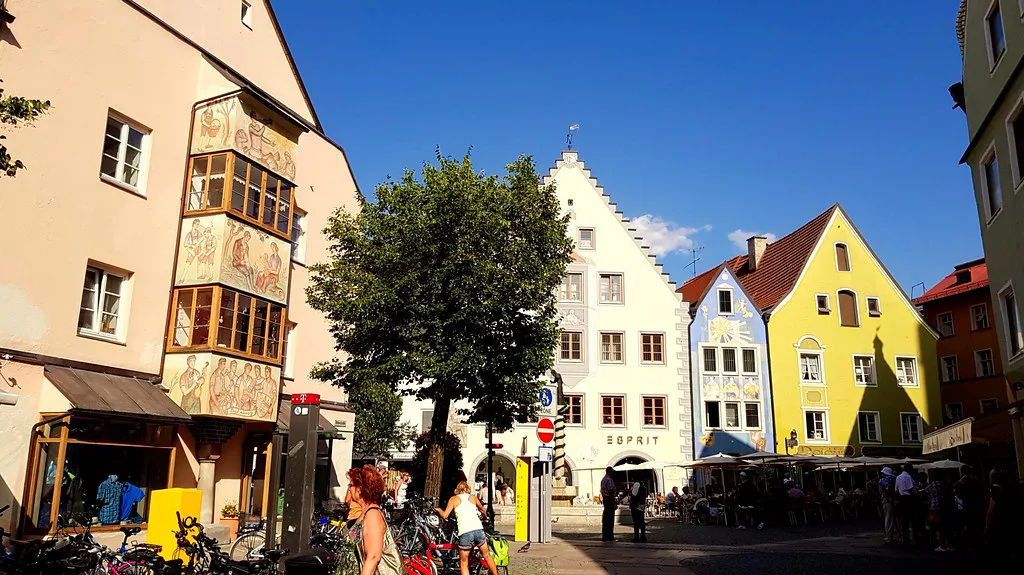
Bavarian beer styles and which one to order first
Start with a Helles if you want the everyday Bavarian lager: pale gold, malty, lightly hopped, and easy to drink with food. If you prefer something fruitier and a bit heavier, order a Weißbier, the cloudy wheat beer that comes in a tall vase-shaped glass and often tastes of banana and clove. A Radler, half beer and half lemonade, is a good lunchtime choice if you want a lower-alcohol pour.
Bavarian brewing traditions include darker styles and specialty beers as well as pale lagers, and neighboring regions also brew in recognizable German styles. To the southwest in Baden-Württemberg, Fürstenberg, based in Donaueschingen, brews a Pilsener, an Export, a Hefeweizen, and a Hell, and the brewery traces its origins to a 1283 brewing right granted to Count Heinrich I von Fürstenberg. That kind of range, from crisp pils to wheat beer, is worth knowing when you scan a German beer list, though the brews you meet in Füssen will come from Bavarian and Allgäu producers.
If you are unsure which to order, ask the server for a recommendation, or start with a half-liter of Helles and work outward from there. Ordering a Radler or an alcohol-free beer is also completely normal across Bavaria, so you can pace yourself without sitting out.
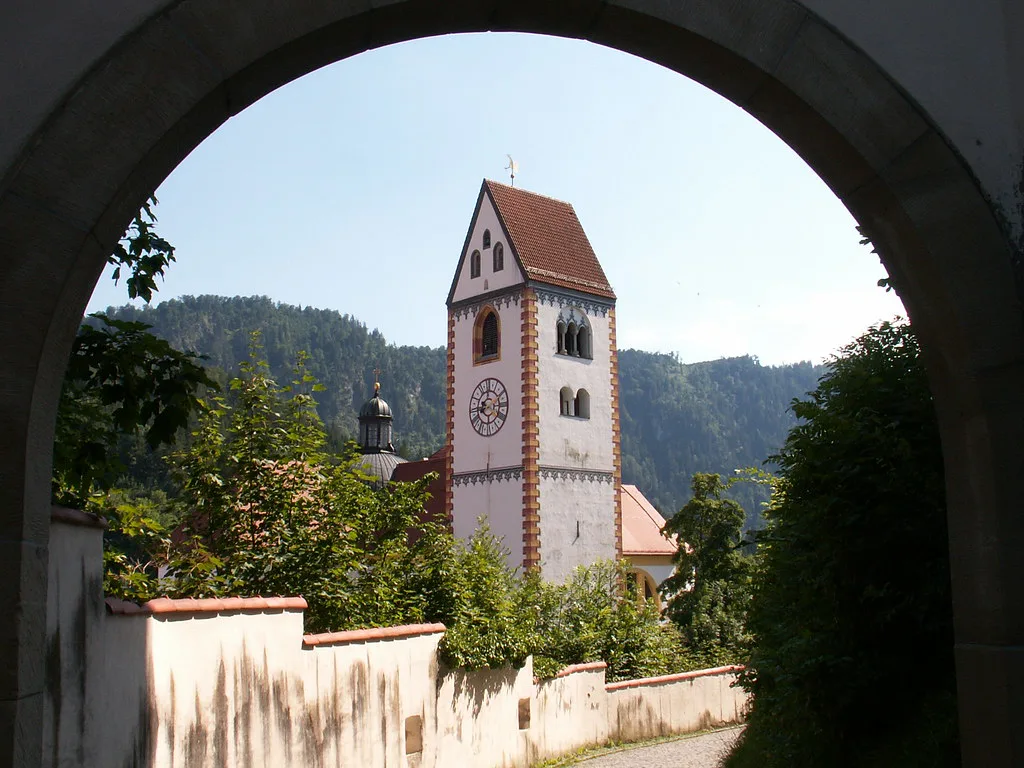
Gasthaus or beer garden: what to expect
It helps to know the two main ways beer reaches your table in Bavaria, because it shapes both the menu and the pace of the meal. A traditional Gasthaus pours beer from one or more regional breweries alongside a full menu of Bavarian cooking, while a brewery-owned restaurant generally focuses on its own beers and a shorter menu.
For beer halls and brewery taps, see the beer halls in Füssen guide, and for outdoor drinking in summer, the Beer Gardens in Füssen guide explains how those work.
A beer garden is its own experience: long shared tables under chestnut trees, self-service food counters at many places, and beer by the half-liter or liter. In Bavaria these are warm-weather, daytime-to-early-evening stops rather than late-night options, so plan around the weather.
What to eat with a beer in the Allgäu
Bavarian beer food is built for drinking: roast pork, dumplings, and cheese. Order Schweinshaxe, the roasted pork knuckle with crackling skin, if you want the classic beer-hall plate, and pair it with a Helles or a dark beer. Käsespätzle, the soft egg noodles baked with mountain cheese and topped with fried onions, is the vegetarian counterpart and works well with a Weißbier.
For something lighter, look for a Brotzeit board of cold cuts, cheese, radishes, and bread, which is designed for sharing over a beer. Obatzda, the spiced camembert spread, is another classic beer-garden order. The What to Eat in Füssen guide covers these plates and where to find them in town.
Füssen's location near the Austrian border also shows up on menus: you will see Austrian-influenced dishes alongside Bavarian ones, and portion sizes tend to be generous. If you are traveling with someone who eats lightly, sharing a main course is acceptable in most casual Gasthäuser. A beer and a starter can be a full meal here.
Ordering and paying in a Bavarian tavern
Bavarian service runs on a simple rhythm: you sit, the server comes to you, and you order drinks first and food when you are ready. You do not usually order at the bar, even in a casual tavern, and you do not tip by a fixed percentage; rounding up or leaving a euro or two per person is normal. Many taverns still prefer cash, though card acceptance has grown, so carry some euros.
One word you will see on some menus and doors is Ruhetag, the weekly rest day when a restaurant closes. Many family-run Gasthäuser in Bavaria take one day off, often early in the week, so check the door or ask before you make a special trip. This matters more in a small town like Füssen than in a big city, where something else is always open.
If you want breakfast before a day of walking, the Breakfast in Füssen guide covers the morning options in town, and the Cafés in Füssen guide is the place to look for coffee and cake later in the day.
How to plan a beer evening in Füssen
Start with a half-liter of Helles at a Gasthaus in the old town, then move to a Weißbier with dinner if you want to try two styles in one evening. If you specifically want a brewery-owned restaurant, look for a Brauhaus. Either way, order a Brotzeit board or a Käsespätzle so the beer has something to sit alongside.
Füssen is compact, so the old town and the roads heading out toward the castles are an easy walk from one another, and you do not need to plan transport around your beer stop. Eat dinner before dark if you want to walk back comfortably, and keep an eye out for the Ruhetag sign on any restaurant you have your heart set on.
Explore more Füssen guides
Sources
Notes for your next German food trip
Optional updates to our guides.
You might also like

Continue reading
More guides you'll find useful